Acupuncture for Pain Relief: How It Works and What to Expect
Key Points:
- Acupuncture is an ancient healing practice using thin needles at specific points to stimulate natural pain relief
- Research shows acupuncture effectively treats chronic pain, headaches, arthritis, neck pain, and back pain
- Acupuncture works by releasing natural pain-relieving chemicals, reducing inflammation, and improving circulation
- Most people find acupuncture relaxing with minimal to no discomfort
- Acupuncture integrates well with chiropractic care and physical therapy for comprehensive pain management
- Life Medical offers acupuncture as part of integrative pain care in St. Louis Park, Minnesota
Understanding Acupuncture for Pain Relief
If you're living with chronic pain that hasn't responded well to conventional treatments, or you're seeking drug-free pain relief options, acupuncture may offer the solution you need. This ancient healing practice has gained widespread acceptance in modern healthcare, with growing research supporting its effectiveness for pain management.
At Life Medical, a healthcare practice in St. Louis Park, MN, we offer acupuncture as part of our comprehensive approach to pain relief. Acupuncture can be used alone or combined with chiropractic care, physical therapy, and other services to provide effective, natural pain management.
What Is Acupuncture?
Acupuncture is a traditional Chinese medicine practice used for thousands of years to treat pain and promote healing. The practice involves inserting very thin, sterile needles at specific points on the body to stimulate natural healing mechanisms.
Traditional and Modern Perspectives
Traditional view: Acupuncture is based on the concept of Qi (pronounced "chee"), vital energy that flows through pathways called meridians. When Qi flows freely, you experience health. When blocked or imbalanced, pain and illness result. Acupuncture removes these blockages.
Modern scientific understanding: Research has identified physiological mechanisms through which acupuncture produces pain relief:
- Stimulates the nervous system to release natural pain-relieving chemicals
- Reduces inflammation in tissues
- Improves blood circulation to painful areas
- Releases tight muscles and reduces spasms
- Modulates pain signal transmission in the brain and spinal cord
The physiological effects are measurable and real, regardless of your belief in traditional concepts.
How Acupuncture Relieves Pain
Understanding the mechanisms helps explain why acupuncture works for so many pain conditions.
Endorphin Release
Acupuncture triggers your body to release endorphins, natural pain-relieving chemicals similar to opioid medications but produced by your own system. These endorphins:
- Reduce pain perception
- Create feelings of wellbeing
- Provide lasting relief beyond the treatment session
- Work without the side effects of pain medications
Nervous System Effects
Needle insertion stimulates sensory nerves that send signals to your brain and spinal cord, activating pain-inhibiting pathways. This "closes the gate" to pain signals, reducing what you feel.
Anti-Inflammatory Action
Research shows acupuncture reduces inflammatory markers in the body by:
- Decreasing pro-inflammatory chemicals
- Increasing anti-inflammatory compounds
- Modulating immune system responses
- Reducing tissue swelling and irritation
Improved Circulation
Acupuncture increases blood flow to treated areas:
- Delivers oxygen and nutrients for healing
- Removes metabolic waste products
- Reduces muscle tension
- Supports tissue repair
Muscle Relaxation
Direct needle stimulation releases trigger points (muscle knots) and tight muscles that contribute to pain. This relaxation effect can provide immediate relief and improve mobility.
What Conditions Does Acupuncture Treat?
Research and clinical experience show acupuncture effectively treats many pain conditions.
Chronic Pain
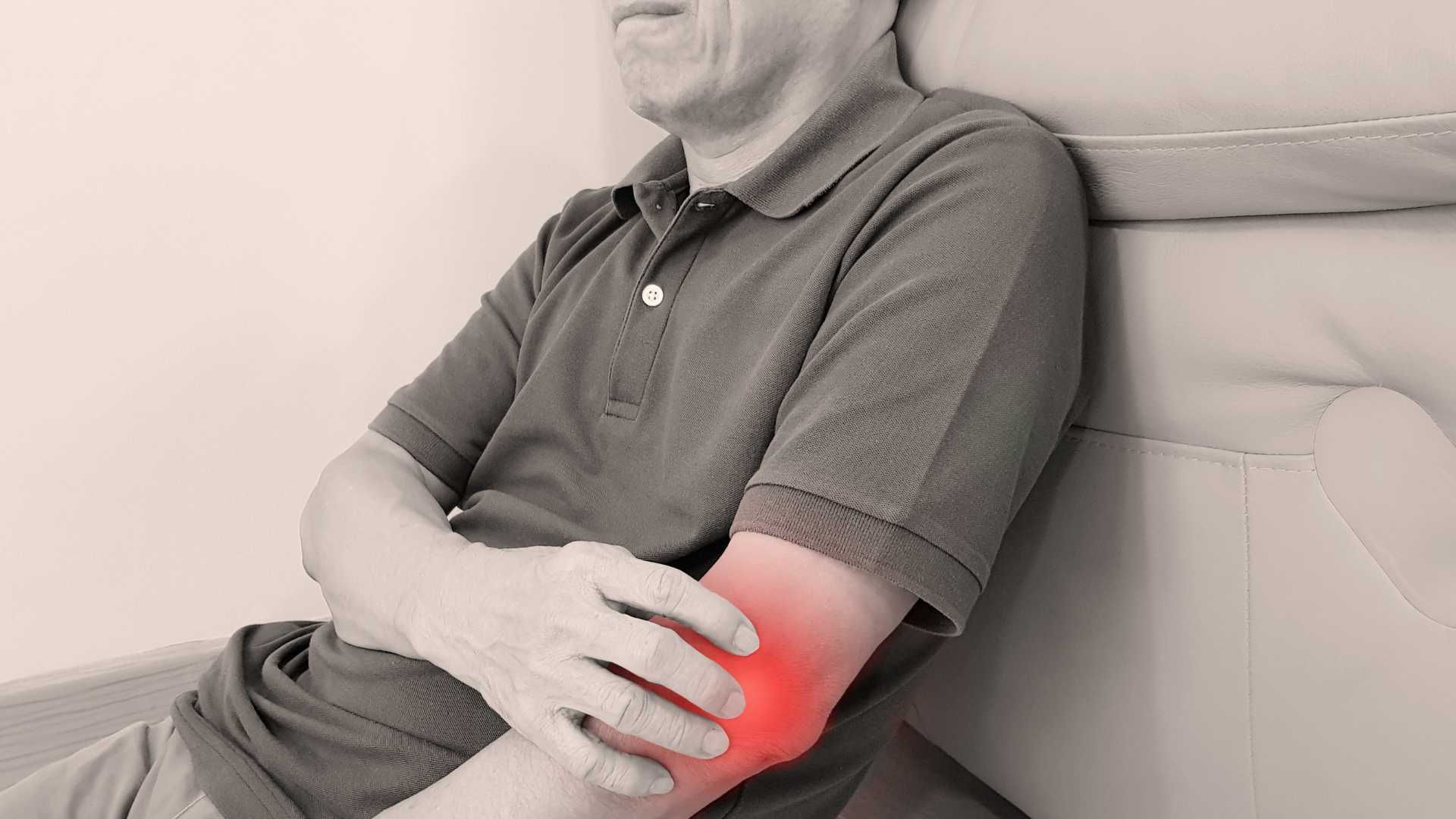
Acupuncture is particularly effective for chronic pain that has lasted months or years. Studies show it helps:
- Reduce pain intensity
- Improve function and quality of life
- Decrease reliance on pain medications
- Address pain that hasn't responded to other treatments
Back Pain and Sciatica
One of the most researched acupuncture applications. Multiple studies demonstrate significant pain relief for lower back pain, whether acute or chronic. Acupuncture also helps sciatica by reducing nerve inflammation and muscle tension.
Acupuncture works especially well combined with chiropractic care for back pain, addressing both spinal alignment and pain relief.
Neck Pain and Headaches
Acupuncture effectively treats:
- Chronic neck pain from poor posture or injury
- Tension headaches
- Migraines (reducing frequency and intensity)
- Cervicogenic headaches (originating from the neck)
Learn more about neck-related pain in our tech neck guide.
Arthritis Pain
Both osteoarthritis and rheumatoid arthritis respond to acupuncture treatment. Research shows reduced joint pain, improved function, and decreased stiffness in arthritic knees, hips, hands, and spine.
Shoulder Pain
Rotator cuff problems, frozen shoulder, and other shoulder conditions improve with acupuncture through reduced inflammation, improved circulation, and muscle tension release.
Nerve Pain
Peripheral neuropathy, including diabetic neuropathy, may improve with acupuncture. The treatment reduces burning, tingling, and numbness by addressing nerve inflammation and improving circulation to damaged nerves.
Learn more in our neuropathic pain guide.
Sports Injuries
Acupuncture accelerates healing in sprains, strains, and overuse injuries like tennis elbow, runner's knee, and plantar fasciitis.
Fibromyalgia
This widespread pain condition responds to acupuncture through reduced pain sensitivity, improved sleep, and decreased muscle tension.
What to Expect at Your First Acupuncture Visit
Understanding the process helps you feel comfortable and prepared.
Initial Consultation
Your first visit begins with a thorough discussion:
- Your pain symptoms and history
- What makes pain better or worse
- Previous treatments you've tried
- Your overall health and any medications
- Your goals for treatment
This conversation typically takes 15-20 minutes and helps your acupuncturist develop a personalized treatment plan.
The Treatment Process
Preparation: You'll lie comfortably on a treatment table. Depending on the areas being treated, you may need to remove some clothing or wear a gown. Most acupuncture points are on the arms, legs, back, and head, so you typically remain mostly clothed.
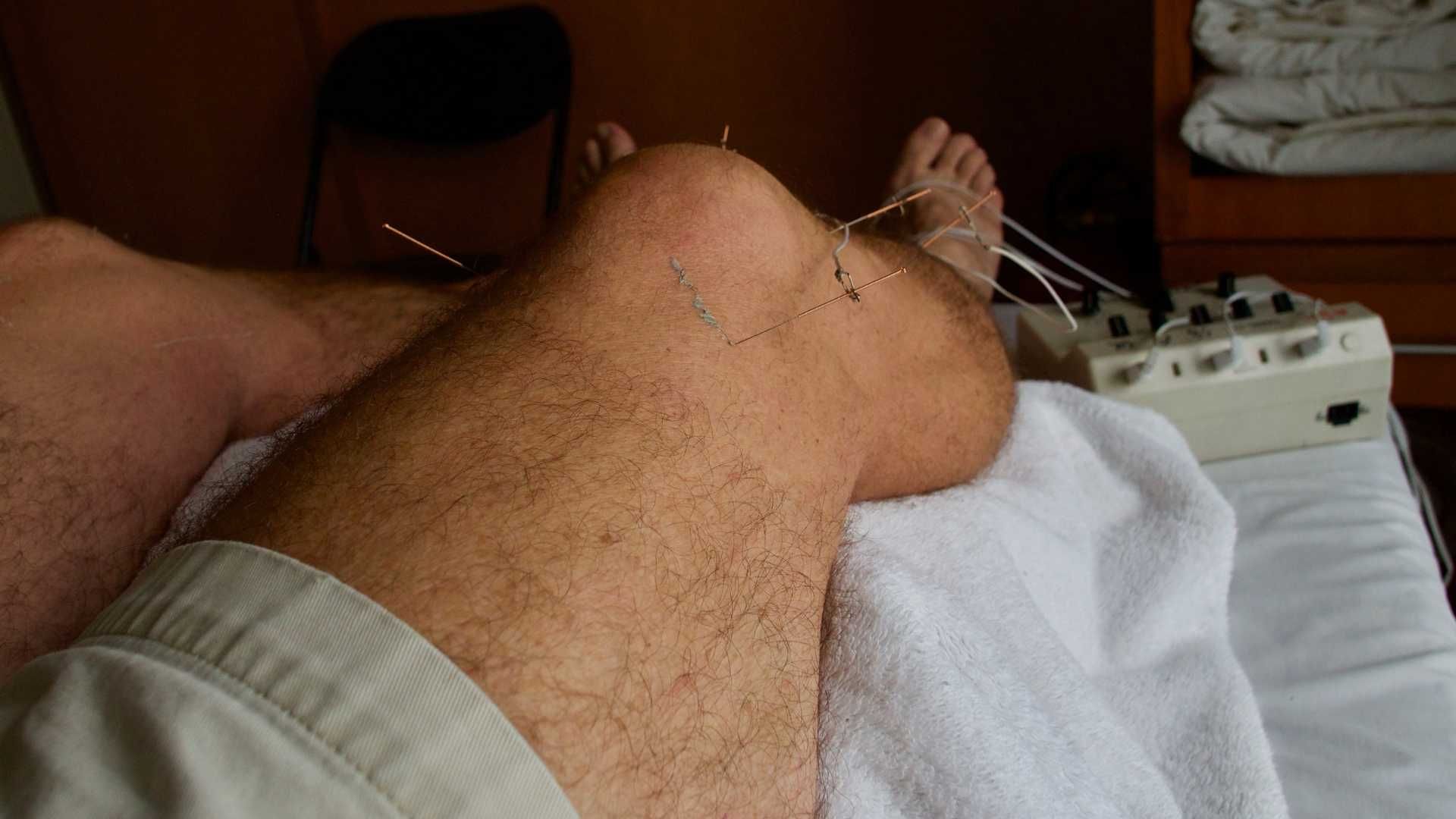
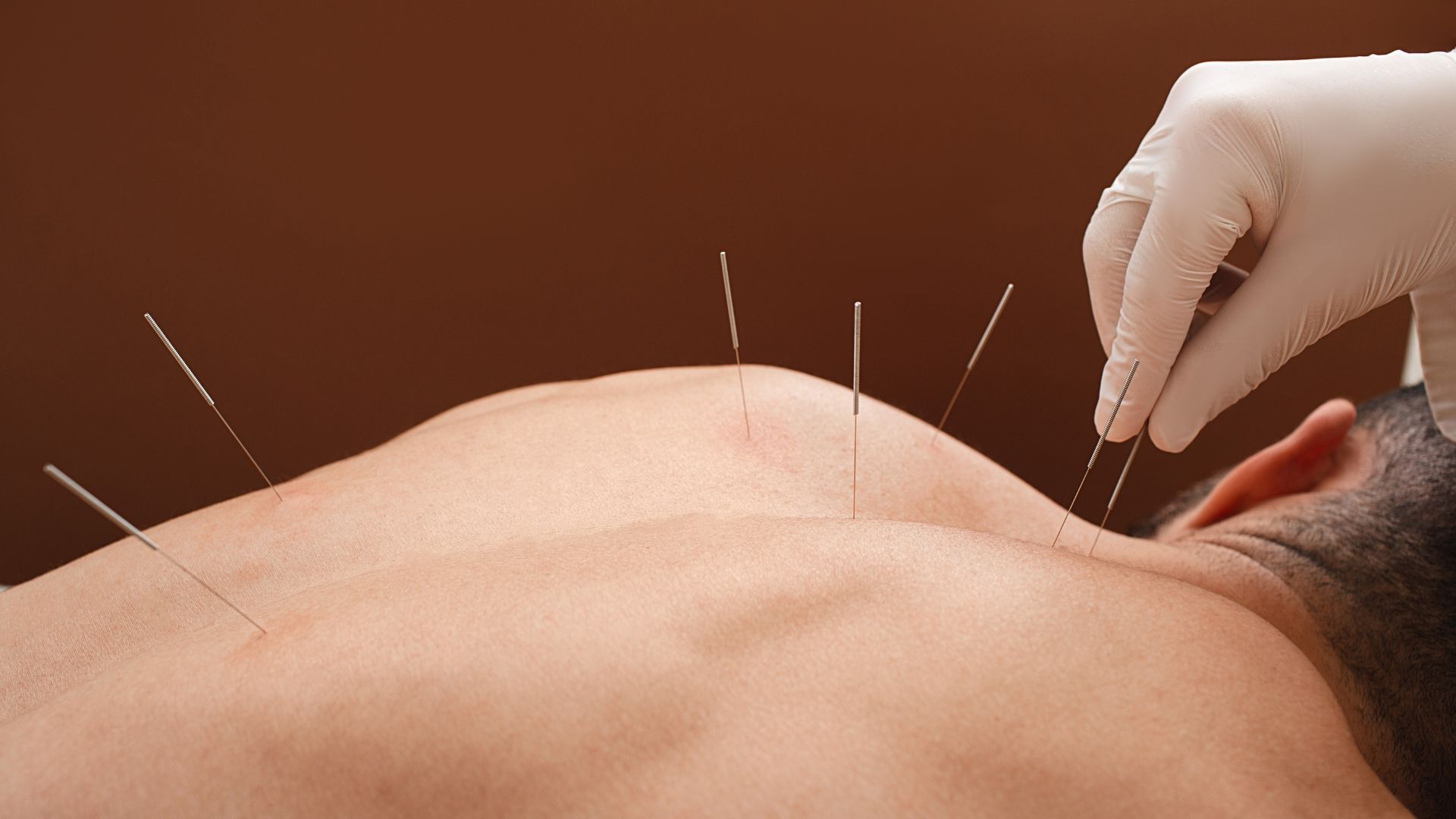
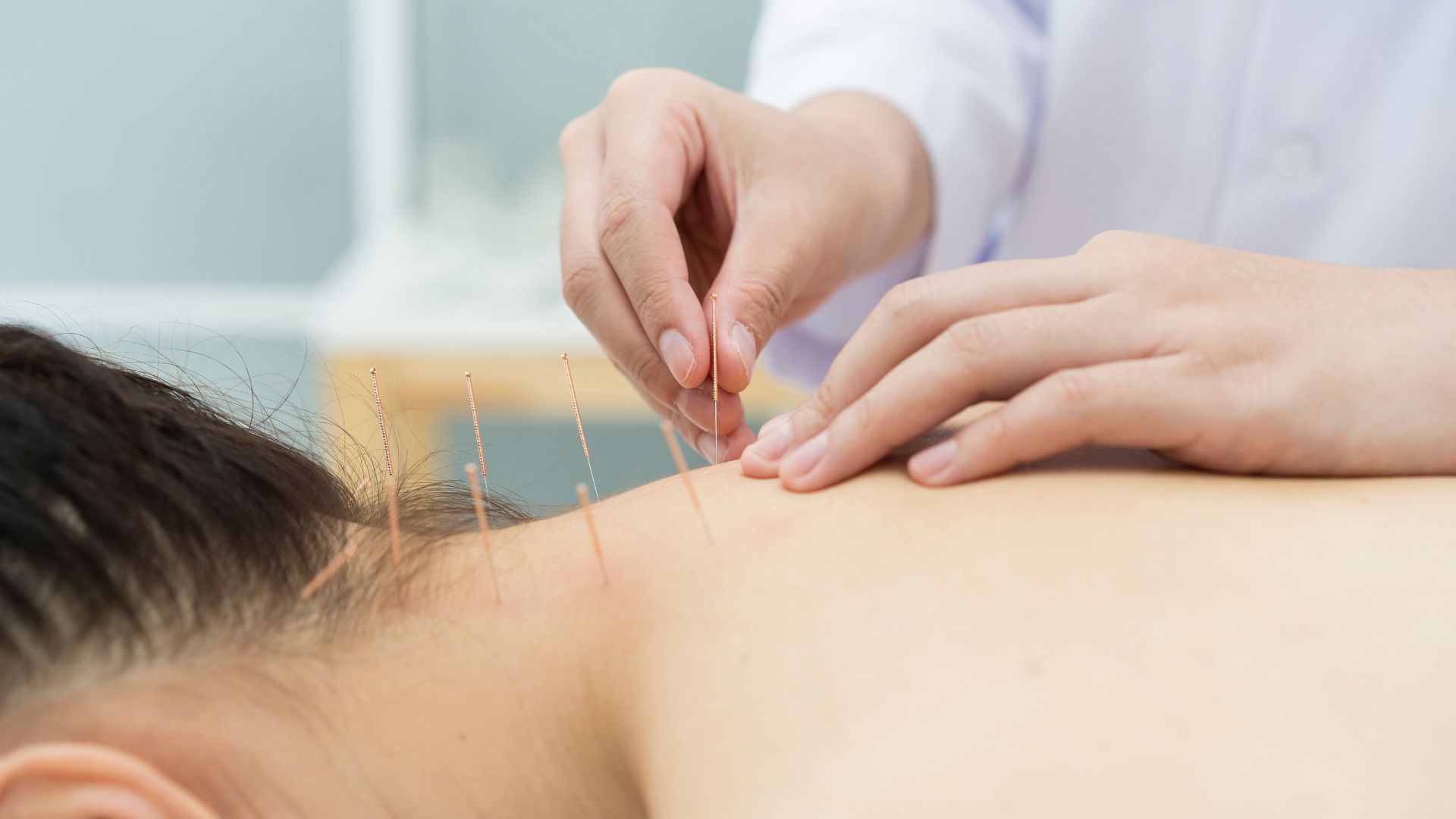
Needle insertion: Your acupuncturist inserts very thin, sterile needles at specific points. The needles are much thinner than those used for injections or blood draws (about the width of a human hair). Most people feel minimal to no discomfort.
What insertion feels like: You might feel:
- A tiny pinch or mosquito bite sensation (brief and mild)
- Tingling or warmth around the needle
- A heavy or achy sensation (called "de qi" - considered a good sign)
- Nothing at all
Resting period: Once needles are placed, you rest quietly for 20-30 minutes. Many people find this deeply relaxing and even fall asleep. Your acupuncturist may adjust room temperature, dim lights, and play soft music to enhance relaxation.
Needle removal: After the resting period, needles are quickly and painlessly removed. There's typically no bleeding or discomfort.
After Your Session
Immediate effects: Many people feel:
- Relaxed and calm
- Reduced pain immediately
- Slightly tired or energized (varies by person)
- Improved mood
Post-treatment recommendations:
- Drink plenty of water
- Avoid strenuous activity for a few hours
- Notice how your pain changes over the next 24-48 hours
- Avoid alcohol on treatment day
Treatment Frequency
Initial phase: Most conditions require multiple sessions for best results. Typical recommendations:
- Acute pain: 1-2 sessions per week for 4-6 weeks
- Chronic pain: 1-2 sessions per week for 6-12 weeks
- Maintenance: Monthly sessions as needed
Your acupuncturist adjusts frequency based on your response to treatment.
Does Acupuncture Hurt?
This is the most common question people ask, and the answer reassures most patients.
Needle Sensation
Minimal discomfort: While acupuncture involves needles, it's not painful like injections or blood draws. The needles are extremely thin (0.12-0.35mm diameter), much finer than medical needles.
Brief sensation: Any sensation during insertion lasts only a moment. Most people describe it as a mild pinch, if they feel anything at all.
De Qi sensation: Some acupuncture points produce a heavy, achy, or tingling sensation called "de qi." This is considered desirable and indicates the point is being properly stimulated. It's not painful, just different.
Relaxation response: Most people find acupuncture deeply relaxing once needles are placed. The 20-30 minute rest period often feels like a peaceful meditation.
Safety
Acupuncture is extremely safe when performed by trained practitioners:
- Single-use, sterile needles eliminate infection risk
- Serious complications are very rare
- Mild side effects (slight bruising, temporary soreness) are uncommon and minor
Acupuncture and Integrative Pain Care
At Life Medical, acupuncture works seamlessly with other services for comprehensive pain management.
Acupuncture and Chiropractic Care
These complementary approaches work together beautifully:
Chiropractic adjustments: Restore proper spinal alignment and joint function.
Acupuncture: Reduces pain and inflammation, allowing the body to hold adjustments better.
Combined benefits:
- Faster pain relief
- Better treatment response
- Longer-lasting results
- Comprehensive approach to pain
Learn more about our integrated approach in our chiropractic and physical therapy guide.
Acupuncture and Physical Therapy
Physical therapy: Builds strength, improves movement patterns, and restores function.
Acupuncture: Reduces pain to allow effective exercise and accelerates tissue healing.
Combined benefits:
- Pain relief allows better participation in PT exercises
- Improved healing supports strength gains
- Comprehensive rehabilitation
Acupuncture and Nutritional Support
Nutritional therapy enhances acupuncture results:
- Anti-inflammatory diet reduces pain
- Proper nutrients support healing
- Addressing nutritional deficiencies improves overall response
Whole-Person Care
Our integrative medicine approach means we address all factors contributing to your pain, using acupuncture as one tool in a comprehensive strategy.
Is Acupuncture Right for You?
Acupuncture may be beneficial if you:
- Experience chronic pain not responding to other treatments
- Want drug-free pain management
- Need to reduce pain medication use
- Have conditions like arthritis, fibromyalgia, or neuropathy
- Prefer natural, holistic approaches to health
- Experience anxiety or stress contributing to pain
When to Seek Acupuncture Care
Consider acupuncture if you have:
- Pain lasting more than three months
- Daily pain affecting quality of life
- Limited function due to pain
- Desire to avoid or reduce pain medications
- Multiple pain conditions
- Pain with no clear structural cause
Insurance and Payment
Many insurance plans now cover acupuncture for certain conditions, particularly chronic pain. Contact our office at (952) 933-8900 to verify your coverage, or visit our pricing page for information.
Getting Started with Acupuncture at Life Medical
Ready to explore acupuncture for your pain?
Call Life Medical at (952) 933-8900 to schedule your initial acupuncture consultation and treatment.
Our St. Louis Park office is conveniently located at 4201 Excelsior Boulevard, St. Louis Park, MN 55416.
Visit our acupuncture page to learn more, or use our patient portal to request an appointment online.
Explore our
integrative medicine services to see how acupuncture fits into comprehensive care.
FAQs About Acupuncture for Pain Relief
Does acupuncture really work for pain?
Yes. Extensive research shows acupuncture effectively treats various pain conditions including back pain, neck pain, headaches, arthritis, and chronic pain. It works by stimulating natural pain-relieving mechanisms in your body.
How quickly does acupuncture work?
Some people experience relief during or immediately after the first session. Others notice gradual improvement over several treatments. Most conditions require 6-12 sessions for optimal results.
Is acupuncture painful?
Most people feel minimal to no pain. The needles are extremely thin, and any sensation during insertion is brief and mild. Many find acupuncture deeply relaxing.
How long do acupuncture sessions last?
Initial visits take 60-90 minutes including consultation. Follow-up treatments typically last 45-60 minutes with needles in place for 20-30 minutes.
Are there side effects?
Acupuncture is very safe with minimal side effects. Occasionally, people experience slight bruising, temporary soreness, or mild fatigue. Serious complications are extremely rare.
Can acupuncture help chronic pain?
Yes. Acupuncture is particularly effective for chronic pain conditions that haven't responded to other treatments. Research supports its use for chronic back pain, arthritis, fibromyalgia, and headaches.
How many acupuncture sessions will I need?
This varies by condition. Acute pain may improve in 4-6 sessions, while chronic conditions typically require 8-12 sessions. Your acupuncturist will recommend a personalized treatment plan.
Can I combine acupuncture with other treatments?
Absolutely. Acupuncture works well with chiropractic care, physical therapy, massage, and conventional medical treatments. Combined approaches often produce better results.
Does insurance cover acupuncture?
Many insurance plans now cover acupuncture for chronic pain and certain other conditions. Contact our office to verify your specific coverage.
FAQs About Life Medical
What makes Life Medical's acupuncture different?
We offer acupuncture as part of truly integrated care, coordinating with chiropractic, physical therapy, and other services for comprehensive pain management.
Do I need a referral for acupuncture?
Most patients don't need a referral, though some insurance plans may require one for coverage. Check with your plan.
What other services does Life Medical offer?
We provide chiropractic care, physical therapy, primary care, nutritional therapy, and other integrative medicine services.
Where is Life Medical located?
We're at 4201 Excelsior Boulevard, St. Louis Park, MN 55416. Visit our locations page for directions.
How do I schedule an acupuncture appointment?
Call (952) 933-8900 or use our patient portal to request an appointment online.
Acupuncture offers effective, natural pain relief for many conditions. Whether used alone or combined with chiropractic care and other therapies, it can help you reduce pain, improve function, and enhance quality of life without relying on medications. Contact Life Medical today to discover how acupuncture can support your journey to pain-free living.
Disclaimer: The information provided on this blog is for general informational purposes only and is not intended as, and should not be considered, medical advice. All information, content, and material available on this blog are for general informational purposes only. Readers are advised to consult with a qualified healthcare professional for medical advice, diagnosis, or treatment. The author and the blog disclaim any liability for the decisions you make based on the information provided. Always seek the advice of your physician or other qualified health provider with any questions you may have regarding a medical condition.