Can Chiropractic Care Help Tennis Elbow? Treatment and Recovery
Key Points:
- Tennis elbow (lateral epicondylitis) causes pain on the outer elbow from repetitive arm movements, affecting athletes and non-athletes
- Chiropractic care effectively treats tennis elbow by reducing inflammation, releasing muscle tension, and restoring proper joint mechanics
- Combining chiropractic care with physical therapy and acupuncture produces faster recovery and prevents recurrence
- Most cases respond to conservative treatment within 4-8 weeks with proper care
- Early intervention prevents tennis elbow from becoming chronic
- Life Medical offers integrated tennis elbow treatment combining chiropractic, physical therapy, and acupuncture in St. Louis Park, Minnesota
Understanding Tennis Elbow
Tennis elbow affects millions of people annually, yet many don't realize they have it or understand treatment options. Despite the name, you don't need to play tennis to develop this painful condition. Repetitive arm movements from work, hobbies, or sports can trigger tennis elbow, causing persistent pain that interferes with daily activities.
At Life Medical in St. Louis Park, MN, we treat tennis elbow effectively with chiropractic care, physical therapy, and acupuncture. Our integrated approach addresses both immediate pain and underlying causes, supporting faster recovery and preventing recurrence.
What Is Tennis Elbow?
Tennis elbow, medically known as lateral epicondylitis, is inflammation of the tendons on the outside of the elbow. The condition develops from repetitive stress and small tears in the extensor carpi radialis brevis tendon, the muscle responsible for extending your wrist and fingers.
How Tennis Elbow Develops
Repetitive stress: Repeated gripping, twisting, or extending movements stress the tendons over time. Common causes include:
- Tennis, badminton, or squash
- Painting or carpentry
- Plumbing or electrical work
- Typing and computer work
- Repetitive gripping (assembly line work)
- Throwing sports
- Gardening or landscaping
Mechanism of injury: With each repetitive motion, tiny tears occur in the tendon. Your body attempts to repair these tears, but continued stress prevents complete healing. Over time, chronic inflammation develops, causing persistent pain.
Risk factors:
- Age 30-50 (most common)
- Repetitive occupational work
- Improper technique in sports
- Inadequate warm-up or conditioning
- Sudden increase in activity level
Symptoms of Tennis Elbow
Recognizing tennis elbow early supports faster recovery. Common symptoms include:
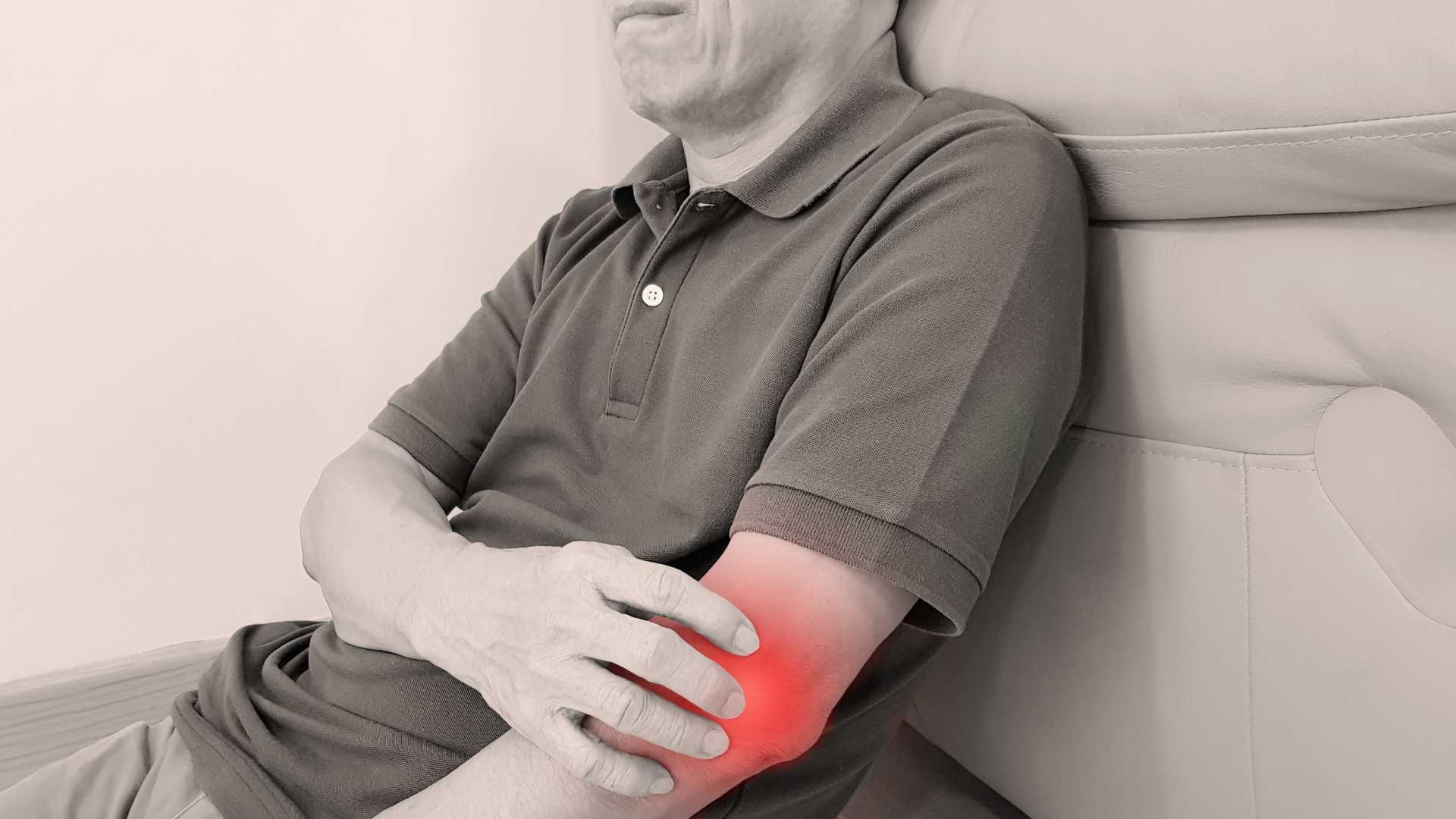
Pain location: Outer elbow, particularly where the tendon attaches to the bone. Pain may extend down the forearm toward the wrist.
Pain characteristics:
- Gradual onset (usually not from sudden injury)
- Worsens with specific movements (gripping, extending wrist)
- Improves with rest but returns with activity
- Often worse in the morning or after activity
- May feel sharp or burning
Functional limitations:
- Difficulty gripping objects
- Weakness in the hand or wrist
- Pain when lifting, carrying, or throwing
- Difficulty with twisting motions (opening jars, turning doorknobs)
- Pain that worsens during or after repetitive activities
Duration: Without treatment, tennis elbow can persist for months or years, becoming chronic.
How Chiropractic Care Treats Tennis Elbow
Chiropractic treatment addresses tennis elbow through multiple mechanisms, targeting both pain and underlying biomechanical problems.
Joint Mobilization and Adjustment
Elbow joint mobility: Restricted elbow joint movement alters how stress is distributed through the tendon, increasing irritation. Chiropractic adjustments restore proper joint mechanics:
- Improve elbow extension and flexion
- Reduce abnormal stress on the tendon
- Enhance joint lubrication
- Support proper healing position
Wrist and forearm: These joints work together with the elbow. Chiropractic care addresses restrictions in:
- Wrist joint mobility (crucial for proper movement patterns)
- Radioulnar joints (bones in the forearm)
- Overall kinetic chain from shoulder to hand
Soft Tissue Therapy
Targeted muscle release: Tight forearm and arm muscles contribute to tennis elbow. Treatment includes:
- Massage of the extensor muscle group
- Myofascial release for restricted fascia
- Trigger point therapy for muscle knots
- Cross-friction therapy to stimulate tendon healing
Muscle balance restoration: Tennis elbow often develops from muscle imbalances. Chiropractic care addresses:
- Tight extensors (overworked muscles)
- Weak flexors (underutilized muscles)
- Shoulder and neck tension affecting arm mechanics
Movement Pattern Correction
Biomechanical assessment: Your chiropractor identifies movement patterns contributing to tennis elbow:
- Improper grip or arm position
- Excessive wrist extension
- Poor technique in sports or activities
- Overuse without adequate rest
Movement retraining: Corrections include:
- Proper body mechanics for your activities
- Technique modifications in sports
- Load management strategies
- Ergonomic adjustments for work or hobbies
Why Chiropractic Care Works Better Combined with Physical Therapy
While chiropractic care provides immediate relief, physical therapy builds the strength and movement quality needed for lasting recovery.
Chiropractic contribution:
- Reduces pain and inflammation
- Restores joint mobility
- Releases muscle tension
- Improves immediate function
Physical therapy contribution:
- Strengthens forearm and wrist muscles
- Improves muscle balance
- Enhances movement patterns
- Builds endurance for return to activities
- Provides progressive loading protocols
Combined benefits:
- Faster pain relief allows PT participation
- Improved mechanics support stronger recovery
- Comprehensive approach prevents recurrence
Typical Combined Treatment Plan
Weeks 1-2:
- Chiropractic: 2-3 visits for pain relief and mobility
- PT: 1-2 visits for gentle stretching and modalities
- Focus: Rapid pain reduction
Weeks 3-4:
- Chiropractic: 1-2 visits for maintenance
- PT: 2-3 visits for progressive strengthening
- Focus: Building strength
Weeks 5-8:
- Chiropractic: 1 visit weekly as needed
- PT: 1-2 visits for advanced exercises
- Focus: Return to activity
After 8 weeks:
- Maintenance program and activity-specific training
- Home exercise program to prevent recurrence
Learn more about our integrated approach in our chiropractic and physical therapy guide.
Acupuncture for Tennis Elbow Pain Relief
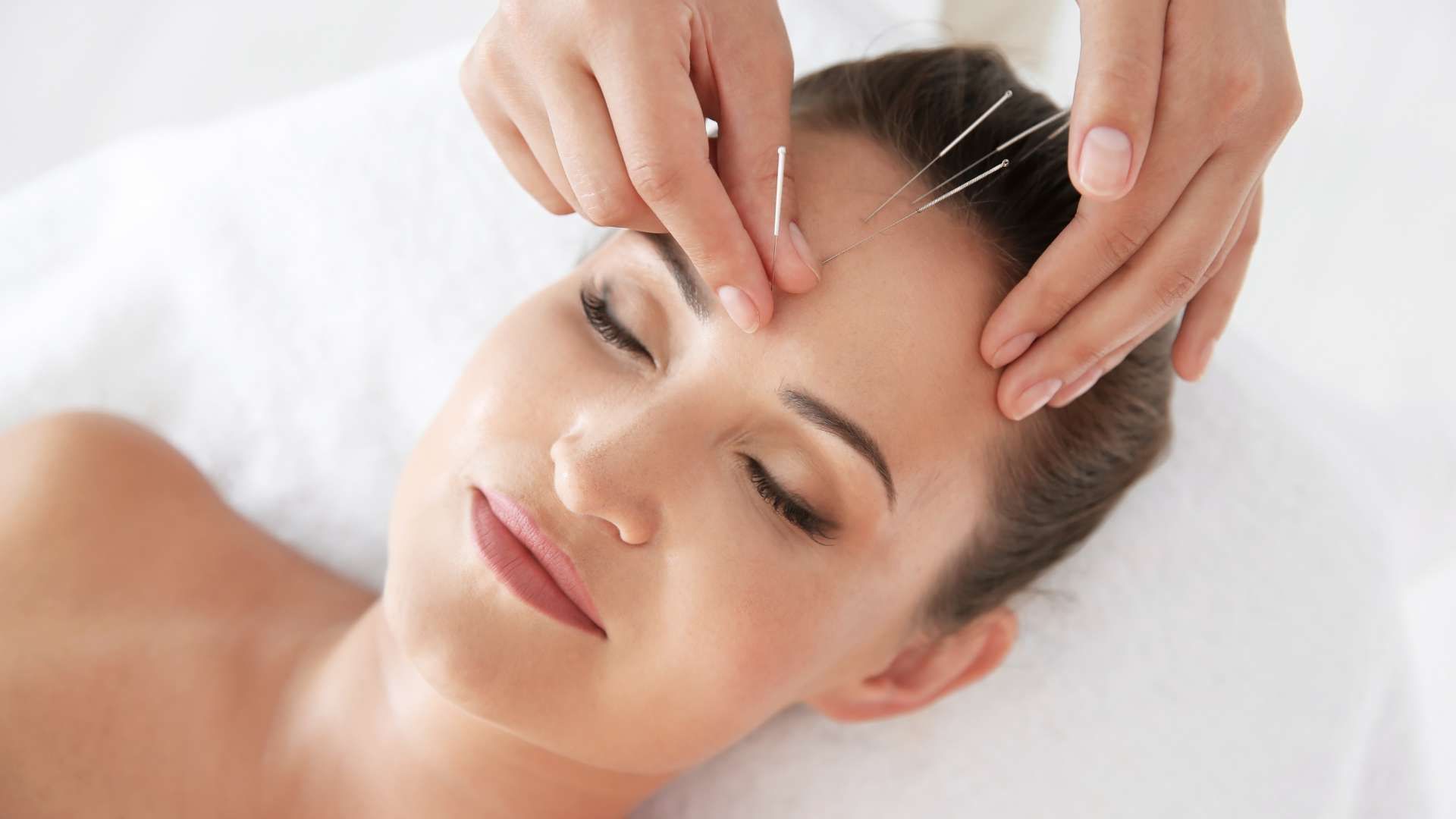
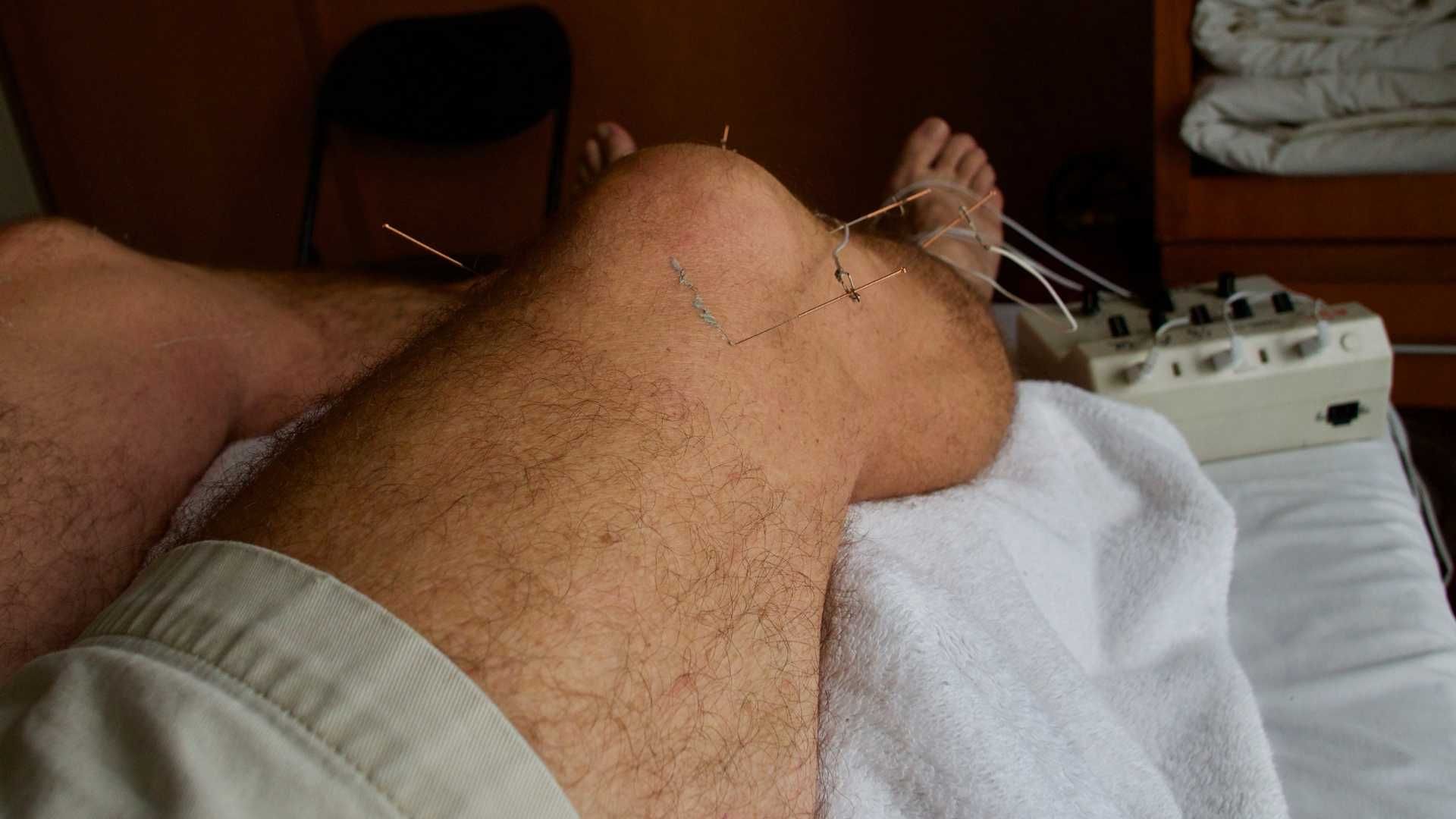
Acupuncture provides additional pain relief and supports healing when combined with chiropractic and physical therapy.
How acupuncture helps:
- Reduces inflammation around the tendon
- Stimulates natural pain relief through endorphin release
- Improves blood circulation to the injured area
- Releases muscle tension in the forearm
- Accelerates tissue healing
Many athletes find acupuncture particularly effective for tennis elbow, providing relief that allows better participation in physical therapy exercises.
Prevention and Return to Activity
Once tennis elbow improves, prevention becomes crucial to avoid recurrence.
Activity Modification
Gradual return: Increase activity slowly rather than jumping back to full intensity. Progress over 2-4 weeks.
Proper technique: Work with coaches or professionals to ensure correct form and body mechanics.
Equipment adjustment: Use properly fitted equipment appropriate for your activity. For tennis, this includes:
- Proper racket size and weight
- Correct string tension
- Appropriate grip size
Strengthening and Stretching
Continue exercises recommended by your physical therapist:
- Forearm strengthening exercises
- Wrist flexibility work
- Regular stretching to maintain mobility
Activity Management
- Avoid prolonged repetitive activities without breaks
- Use proper ergonomics at work
- Take regular rest days
- Ice after activities if needed
- Wear an epicondylitis strap or brace during activities
When to Seek Chiropractic Care for Tennis Elbow
Seek professional help if you experience:
Persistent pain: Lasting more than a few weeks despite home care and rest.
Functional limitation: Pain that prevents you from working, playing sports, or performing daily activities.
Worsening symptoms: Pain intensifying despite activity modification.
Recurrent problems: Tennis elbow that keeps returning.
Early intervention prevents tennis elbow from becoming chronic. Many cases resolve within 4-8 weeks with proper treatment.
Getting Started with Tennis Elbow Treatment
Ready to eliminate tennis elbow pain and return to activities you enjoy?
Call Life Medical at (952) 933-8900 to schedule your comprehensive tennis elbow evaluation.
Our St. Louis Park office is conveniently located at 4201 Excelsior Boulevard, St. Louis Park, MN 55416.
Visit our chiropractic care page and physical therapy page to learn more, or use our patient portal to request an appointment.
FAQs About Tennis Elbow and Chiropractic Care
Can a chiropractor help tennis elbow?
Yes. Chiropractic care effectively reduces tennis elbow pain by improving joint mechanics, releasing muscle tension, and supporting proper healing. Best results come from combining chiropractic care with physical therapy.
How long does tennis elbow take to heal?
Most cases improve significantly within 4-8 weeks with proper treatment. Chronic cases may take longer. Recovery depends on injury severity, treatment consistency, and activity level.
Should I stop playing tennis with tennis elbow?
You don't need to stop completely, but you should modify activities. Your chiropractor and physical therapist will recommend safe activity levels and progression.
Can tennis elbow become permanent?
Without treatment, tennis elbow can become chronic. However, with appropriate care addressing both pain and underlying causes, most cases resolve completely.
Does acupuncture help tennis elbow?
Yes. Acupuncture reduces inflammation, stimulates healing, and provides pain relief. It works well alongside chiropractic care and physical therapy.
What's the difference between tennis elbow and golfer's elbow?
Tennis elbow affects the outer elbow (lateral side), while golfer's elbow affects the inner elbow (medial side). Treatment approaches are similar but target different structures.
FAQs About Life Medical
Does Life Medical treat other sports injuries?
Yes. We treat rotator cuff and shoulder pain, CrossFit and Jiu Jitsu injuries, and many other sports-related conditions.
Do you offer sports-specific treatment?
Yes. Our chiropractors understand athlete needs and provide sport-specific rehabilitation and performance optimization.
Where is Life Medical located?
We're at 4201 Excelsior Boulevard, St. Louis Park, MN 55416. Visit our locations page for directions.
How do I schedule an appointment?
Call (952) 933-8900 or use our patient portal to request an appointment online.
Tennis elbow doesn't have to sideline you. With integrated chiropractic care, physical therapy, and acupuncture, you can recover quickly and return to the activities you love pain-free. Contact Life Medical today to start your tennis elbow recovery.
Disclaimer: The information provided on this blog is for general informational purposes only and is not intended as, and should not be considered, medical advice. All information, content, and material available on this blog are for general informational purposes only. Readers are advised to consult with a qualified healthcare professional for medical advice, diagnosis, or treatment. The author and the blog disclaim any liability for the decisions you make based on the information provided. Always seek the advice of your physician or other qualified health provider with any questions you may have regarding a medical condition.