Common CrossFit and Jiu Jitsu Injuries and Chiropractic Care at Life Medical
Key Points:
- High-intensity training like CrossFit and Jiu Jitsu builds strength but can increase injury risk when movement quality breaks down
- Common CrossFit injuries include shoulder strain, lower back pain, knee discomfort, and wrist/elbow problems
- Common Jiu Jitsu injuries include neck stiffness, shoulder injuries, rib soreness, and hip tightness
- Rest alone often doesn't solve the problem because it doesn't address underlying movement issues
- Chiropractic care supports active adults by improving joint mobility, balanced movement, and performance
- Life Medical offers specialized chiropractic care for athletes in St. Louis Park, Minnesota
Supporting Active Adults: Chiropractic Care for CrossFit and Jiu Jitsu Injuries
High-intensity training programs like CrossFit and Jiu Jitsu push the body to perform at a high level. While these activities build strength and endurance, they also place stress on joints and muscles. At Life Medical, a healthcare practice in St. Louis Park, MN, we offer chiropractic care provided by licensed chiropractors to help active adults manage injuries and improve movement.
Whether you're committed to your CrossFit box or passionate about your Jiu Jitsu training, injuries can be frustrating and discouraging. The good news is that most athletic injuries respond well to conservative care that addresses movement quality, not just pain symptoms. Understanding common injury patterns and how to address them helps you stay active without chronic pain limiting your performance.
Why Injuries Are Common in High-Intensity Training
Fast-paced workouts, heavy loads, and repetitive movements can increase injury risk when movement quality breaks down. Both CrossFit and Jiu Jitsu demand a lot from your body, but they do so in different ways that create unique injury patterns.
Factors Contributing to CrossFit Injuries
High-volume, high-intensity workouts: CrossFit programming often involves performing multiple rounds of exercises at maximum effort with minimal rest. This approach builds incredible fitness but can lead to:
- Fatigue that compromises movement technique
- Accumulated stress on joints and tissues
- Insufficient recovery between sessions
- Form breakdown under heavy loads or time pressure
Complex movements under load: CrossFit incorporates Olympic lifts, gymnastic movements, and metabolic conditioning that require:
- Precise technique and timing
- Adequate mobility and stability
- Progressive skill development
- Proper coaching and progression
When athletes attempt movements they're not ready for or sacrifice form for speed or heavier weights, injury risk increases dramatically.
Competition and ego: The competitive atmosphere in CrossFit can be motivating, but it can also lead to:
- Pushing beyond appropriate limits
- Ignoring pain or warning signs
- Comparing yourself to more experienced athletes
- Prioritizing performance over movement quality
Rapid progressions: Newcomers to CrossFit sometimes progress too quickly:
- Adding weight before mastering technique
- Increasing volume or intensity too fast
- Skipping necessary skill development
- Inadequate recovery between workouts
Factors Contributing to Jiu Jitsu Injuries
Awkward positions and joint stress: Brazilian Jiu Jitsu involves positions and movements that create unique stresses:
- Extreme ranges of motion in joints
- Sustained holds in compromised positions
- Repetitive twisting and torquing forces
- Asymmetrical loading patterns
Resistance from training partners: Unlike solo training, Jiu Jitsu involves:
- Unpredictable forces from a resisting opponent
- Quick transitions and sudden movements
- Submissions that stress joints to their limits
- Impact from takedowns and falls
Repetitive movement patterns: Certain techniques get practiced thousands of times:
- Particular grips and hand positions
- Specific side preferences (always passing to one side)
- Favored techniques creating muscle imbalances
- Repetitive strain on commonly used joints
Intensity and rolling duration: Live training (rolling) can be demanding:
- Extended rounds at high intensity
- Multiple training sessions per week
- Limited recovery time between rounds
- Continuing despite fatigue
Training through minor injuries: The Jiu Jitsu culture sometimes encourages:
- "Toughing it out" through pain
- Training with minor injuries
- Minimizing injury significance
- Delayed treatment seeking
Common CrossFit Injuries
Understanding typical injury patterns helps you recognize problems early and seek appropriate care.
Shoulder Strain
Why it happens: CrossFit involves significant overhead work including:
- Overhead squats, snatches, and presses
- Pull-ups, muscle-ups, and handstand push-ups
- Kipping movements that require shoulder stability
- Heavy loads in compromised positions
Poor shoulder mobility, weak rotator cuff muscles, or faulty movement patterns lead to:
- Rotator cuff tendinitis or tears
- Shoulder impingement
- AC joint problems
- Labral injuries
Common symptoms:
- Pain with overhead movements
- Weakness when pressing or pulling
- Clicking or popping in the shoulder
- Night pain or difficulty sleeping on the affected shoulder
Learn more about shoulder problems in our rotator cuff and shoulder pain guide.
Lower Back Pain
Why it happens: The lower back is stressed during many CrossFit movements:
- Deadlifts, cleans, and snatches
- Box jumps and running
- Sit-ups and GHD movements
- Squatting variations
Contributing factors include:
- Poor hip mobility forcing the back to compensate
- Weak core stability
- Technique breakdown under fatigue
- Excessive volume or intensity
- Previous back injuries
Common symptoms:
- Dull ache or sharp pain in the lower back
- Stiffness, especially in the morning
- Pain that worsens with bending or lifting
- Discomfort during or after workouts
- Radiating pain into the legs (if nerves are involved)
Knee Discomfort
Why it happens: Knees absorb significant force during:
- Squats and lunges
- Box jumps and jump rope
- Running and rowing
- Wall balls and thrusters
Issues develop from:
- Poor squat mechanics (knees caving in)
- Inadequate ankle or hip mobility
- Muscle imbalances around the knee
- High-volume jumping without proper progression
- Previous knee injuries
Common symptoms:
- Pain during squatting or jumping
- Discomfort under the kneecap
- Swelling after workouts
- Clicking or grinding sensations
- Difficulty with stairs or prolonged sitting
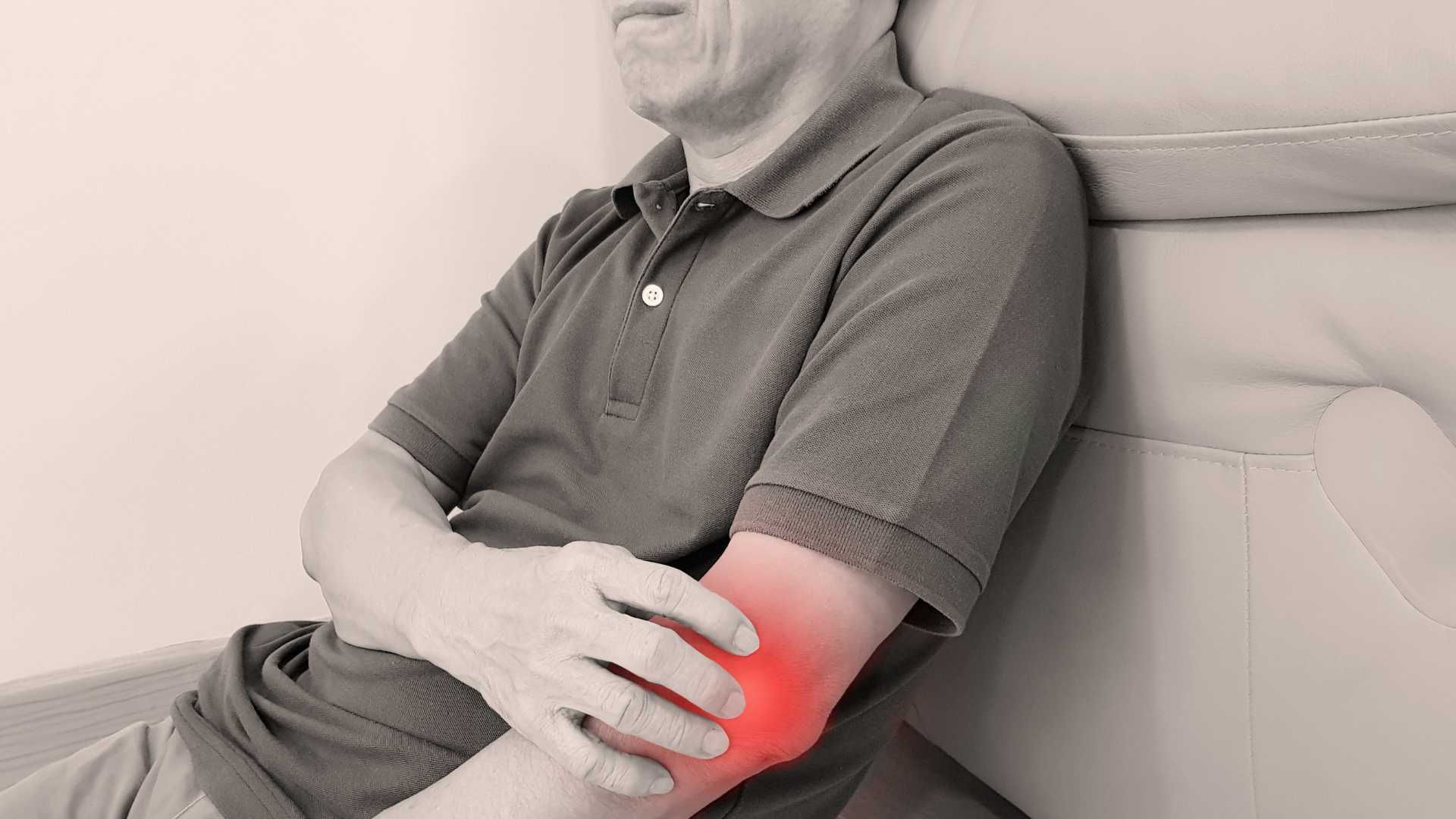
Wrist and Elbow Strain
Why it happens: Upper extremity stress comes from:
- Front rack position in cleans and thrusters
- Support positions in handstands and push-ups
- Gripping bars, kettlebells, and rings
- High-volume pull-ups and muscle-ups
Problems include:
- Wrist tendinitis
- Elbow tendinitis (tennis elbow or golfer's elbow)
- Forearm muscle strain
- Joint irritation from repetitive gripping
Common symptoms:
- Pain with gripping or supporting body weight
- Discomfort in wrist or elbow during or after workouts
- Weakness when lifting or holding objects
- Stiffness and reduced range of motion
Common Jiu Jitsu Injuries
Jiu Jitsu creates its own unique injury patterns based on the specific demands of grappling.
Neck Stiffness
Why it happens: The neck experiences significant stress from:
- Being stacked during guard passes
- Defending against chokes and submissions
- Head position during takedowns
- Holding heavy positions
- Bridging and escaping movements
This leads to:
- Muscle strain and spasm
- Joint restrictions
- Nerve irritation
- Disc problems in severe cases
Common symptoms:
- Stiffness and reduced range of motion
- Pain with turning or tilting the head
- Headaches originating from the neck
- Shoulder and arm pain if nerves are affected
- Tightness in the upper back and shoulders
Our neuropathic pain guide discusses nerve-related symptoms that can occur with neck injuries.
Shoulder Injuries
Why it happens: Shoulders are vulnerable during:
- Kimura, Americana, and arm triangle defenses
- Being posted on or caught in submissions
- Takedowns and throws
- Maintaining grips and controlling opponents
- Repetitive gi gripping
Common problems include:
- Rotator cuff strains
- Shoulder impingement
- AC joint separation
- Labral tears
- Chronic instability
Common symptoms:
- Pain with overhead movements or reaching
- Weakness in the shoulder
- Clicking, popping, or grinding
- Difficulty with certain positions or techniques
- Reduced grip strength
Rib Soreness
Why it happens: Ribs absorb significant stress from:
- Tight side control and knee-on-belly positions
- Pressure during submissions
- Impact from takedowns
- Being stacked or compressed
- Breathing against resistance
This creates:
- Rib muscle strains
- Costochondritis (rib cartilage inflammation)
- Intercostal muscle strain
- Rarely, rib fractures or separations
Common symptoms:
- Sharp pain with breathing, especially deep breaths
- Tenderness when pressing on the ribs
- Discomfort when twisting or bending
- Pain that worsens with coughing or sneezing
- Difficulty taking full breaths
Hip Tightness
Why it happens: Hips work hard during:
- Guard playing and retention
- Passing and pressure positions
- Shrimping and escaping
- Maintaining butterfly or half guard
- Sprawling during takedown defense
Repeated stress leads to:
- Hip flexor tightness and strain
- Groin pulls
- Hip impingement
- SI joint dysfunction
- Reduced hip mobility
Common symptoms:
- Tightness in the front of the hip or groin
- Difficulty with deep squatting or sitting cross-legged
- Pain with kicking or spreading legs
- Lower back discomfort from compensating
- Reduced flexibility in common Jiu Jitsu positions
Why Rest Alone Often Does Not Solve the Problem
Many athletes believe that if they just rest long enough, their injury will heal completely. While rest is an important component of recovery, it's often not enough.
Rest may reduce pain temporarily, but it does not address movement issues that led to injury. Here's why rest alone falls short:
Underlying movement dysfunction persists: If your injury resulted from poor movement patterns, muscle imbalances, or joint restrictions, these problems remain even after pain subsides. When you return to training, the same faulty mechanics that caused the initial injury create the perfect conditions for re-injury.
Muscle weakness develops: Extended rest leads to:
- Loss of strength in injured areas
- Deconditioning of stabilizing muscles
- Reduced endurance
- Decreased neuromuscular control
This weakness makes you more vulnerable to re-injury when you resume training.
Movement compensations become habitual: When something hurts, your body automatically adjusts how you move. These compensation patterns:
- Become ingrained even after pain improves
- Create new areas of stress and potential injury
- Reduce athletic performance
- Feel "normal" even though they're dysfunctional
Joint stiffness increases: Prolonged rest can lead to:
- Reduced range of motion
- Joint capsule tightening
- Scar tissue formation
- Adhesions that restrict movement
Psychological impacts: Long periods away from training create:
- Loss of confidence in your body
- Fear of re-injury
- Frustration and decreased motivation
- Deconditioning that makes return difficult
The cycle continues: Without addressing root causes, you return to training with the same problems that caused injury, often leading to:
- Recurrent injuries in the same area
- New injuries from compensating
- Chronic problems that never fully resolve
- Progressive decline in performance and enjoyment
How Chiropractic Care Supports Active Adults
Chiropractic care for athletes focuses on optimizing movement and function, not just treating pain. This approach is particularly valuable for CrossFit and Jiu Jitsu athletes who need to maintain high performance while recovering from injuries.
Chiropractic care focuses on:
Joint mobility: Proper joint function is essential for athletic performance and injury prevention.
Spinal adjustments: Restore normal motion to the spine, which:
- Reduces nerve irritation
- Improves overall movement quality
- Decreases compensatory stress on other areas
- Enhances athletic performance
Extremity adjustments: Addressing restrictions in shoulders, elbows, wrists, hips, knees, and ankles:
- Restores full range of motion needed for training
- Reduces joint stress during complex movements
- Improves proprioception and body awareness
- Supports injury recovery
Rib mobilization: Particularly important for Jiu Jitsu athletes dealing with rib injuries or breathing restrictions.
Balanced movement: Identifying and correcting movement imbalances that contribute to injury.
Movement assessment: Watching you perform sport-specific movements to identify:
- Faulty movement patterns
- Muscle imbalances
- Mobility restrictions
- Stability deficits
- Technique flaws that increase injury risk
Functional training: Exercises that:
- Improve movement quality in your sport
- Address muscle imbalances
- Build stability in vulnerable positions
- Enhance coordination and control
Progressive rehabilitation: Structured return to training that:
- Rebuilds strength and endurance safely
- Gradually increases training intensity
- Maintains movement quality under fatigue
- Prevents re-injury
Reducing repetitive strain: Managing the cumulative stress of high-volume training.
Soft tissue therapy: Massage, myofascial release, and other techniques that:
- Reduce muscle tension
- Break up adhesions
- Improve tissue quality
- Enhance recovery between sessions
Recovery strategies: Guidance on:
- Adequate rest between intense sessions
- Active recovery techniques
- Mobility work to offset training demands
- Identifying early warning signs of overtraining
Load management: Helping you find the right balance of:
- Training volume and intensity
- Work and rest
- Specific lifts or techniques
- Cross-training activities
Supporting performance: Optimizing your body's function to enhance athletic capability.
Performance enhancement: Beyond injury treatment, chiropractic care can:
- Improve range of motion for better positioning
- Enhance power output in lifts and movements
- Increase stability for injury prevention
- Optimize nervous system function
- Support faster recovery between training sessions
Injury prevention: Proactive care that:
- Identifies potential problems before they become injuries
- Addresses minor issues before they worsen
- Maintains optimal joint and muscle function
- Supports long-term athletic longevity
Sport-specific guidance: Understanding the demands of CrossFit and Jiu Jitsu allows us to:
- Provide relevant movement coaching
- Identify common injury patterns in your sport
- Offer specific preventive strategies
- Communicate effectively with your coaches
The Life Medical Approach to Athletic Injuries
Our comprehensive approach combines multiple strategies for optimal results:
Immediate Injury Management
When acute injuries occur, we focus on:
- Controlling pain and inflammation
- Protecting injured tissues from further damage
- Maintaining mobility in unaffected areas
- Creating a clear recovery timeline
- Setting realistic expectations
Progressive Rehabilitation
As healing progresses, we advance your care:
- Gradually increasing movement and loading
- Rebuilding strength and endurance
- Retraining proper movement patterns
- Sport-specific exercise progression
- Monitoring response to training
Return to Training Protocol
Getting back to CrossFit or Jiu Jitsu safely requires:
- Graduated exposure to training stresses
- Continued focus on movement quality
- Modified training during transition period
- Communication with your coach about limitations
- Monitoring for signs of setback
Performance Optimization
Once recovered, we help you perform better:
- Identifying movement inefficiencies
- Enhancing mobility where needed
- Building strength in weak areas
- Improving body awareness and control
- Preventing future injuries
Complementary Services for Athletes
Life Medical's integrated approach offers athletes comprehensive support:
Physical Therapy
Our physical therapy services provide:
- Advanced rehabilitation programs
- Sport-specific training
- Functional capacity testing
- Equipment and exercise variety
Pain Management
For complex or severe injuries, our pain treatment services offer additional support.
Nutritional Support
Nutritional therapy helps athletes:
- Optimize recovery through nutrition
- Reduce inflammation
- Support tissue healing
- Maintain healthy body composition
- Fuel performance demands
Primary Care
Our primary care physicians can:
- Order imaging when needed
- Manage underlying health conditions
- Coordinate with specialists
- Provide comprehensive health optimization
Integrative Approach
Our integrative medicine philosophy means we use the best tools from various disciplines to support your athletic goals.
Staying Active Without Chronic Pain
The goal is not to stop training but to move better and reduce injury risk. We work with athletes who are committed to their sport and want to continue training at a high level.
Smart Training Principles
Quality over quantity: Focus on excellent movement mechanics before adding volume or intensity.
Progressive overload: Increase demands gradually to allow adaptation without overload.
Adequate recovery: Rest is when you get stronger. Respect your body's need for recovery.
Listen to your body: Differentiate between training discomfort and pain signaling injury.
Seek help early: Address minor issues before they become major problems.
Injury Prevention Strategies
Warm up properly: Prepare your body for the specific demands of your training session.
Maintain mobility: Regular mobility work offsets the restrictions created by intense training.
Balance your training: Include strength work, mobility, and recovery in your overall program.
Address weaknesses: Work on your limitations, not just your strengths.
Modify when needed: Training smart sometimes means scaling or modifying workouts.
Long-Term Athletic Development
Build a strong foundation: Master basic movements before progressing to complex skills.
Develop balanced fitness: Don't neglect areas outside your sport's primary demands.
Invest in recovery: Sleep, nutrition, and stress management support training adaptation.
Regular maintenance: Periodic check-ins with healthcare providers prevent small issues from becoming big problems.
Set sustainable goals: Long-term athletic development requires patience and consistency.
When to Seek Care for a CrossFit or Jiu Jitsu Injury
If you have been injured during CrossFit or Jiu Jitsu, ignoring pain or trying to push through it can lead to ongoing problems. Lingering shoulder pain, back stiffness, neck discomfort, or joint pain may be signs that your body needs support to move properly again.
Seek care if you experience:
- Pain that persists beyond a few days of rest
- Symptoms that worsen despite reducing training
- Recurring injuries in the same area
- Movement limitations affecting your training
- Pain that changes your technique or forces compensation
- Swelling, bruising, or visible deformity
- Joint instability or giving way
- Numbness, tingling, or weakness
At Life Medical in St. Louis Park, MN, we offer chiropractic care provided by licensed chiropractors for active adults who want to recover safely and continue training. Care focuses on improving movement, reducing strain, and helping the body heal without unnecessary stress.
If you have sustained an injury or are dealing with pain that is not improving, scheduling an evaluation can help identify what is limiting your movement and contributing to discomfort.
Don't let injuries sideline your training or become chronic problems. Early intervention keeps you active.
To get started, call Life Medical at (952) 933-8900 or book an appointment to discuss your CrossFit or Jiu Jitsu injury and learn how chiropractic care may help you get back to training with more confidence.
Visit our chiropractic care page to learn more about our services, or use our patient portal to request an appointment online.
Explore our full range of healthcare services to see how Life Medical's integrative approach supports athletes and active adults.
FAQs About CrossFit and Jiu Jitsu Injuries
What are common CrossFit injuries?
Shoulder, back, and knee injuries are common in CrossFit, along with wrist and elbow problems from high-volume barbell work and gymnastics movements.
Can chiropractic care help athletes?
Chiropractic care may help improve movement and recovery by addressing joint restrictions, muscle imbalances, and faulty movement patterns that contribute to injury and limit performance.
Should you train through pain?
Persistent pain should be evaluated to prevent further injury. While some discomfort during training is normal, pain that changes your movement, worsens over time, or doesn't improve with rest requires professional assessment.
How long does it take to recover from a CrossFit or Jiu Jitsu injury?
Recovery time varies based on injury type and severity. Minor strains may improve in 2-4 weeks, while more significant injuries may require 6-12 weeks or longer of rehabilitation.
Can I continue training while injured?
Often, yes, with modifications. Your chiropractor can guide you on what movements to avoid, how to modify workouts, and when you can progressively return to full training.
How can I prevent CrossFit and Jiu Jitsu injuries?
Focus on movement quality, warm up properly, maintain adequate mobility, address muscle imbalances, progress gradually, allow adequate recovery, and seek care for minor issues before they worsen.
Should I get imaging for my sports injury?
Not always. Many sports injuries can be diagnosed and treated based on clinical examination. Imaging is ordered when necessary to confirm diagnosis or rule out serious pathology.
Will chiropractic care improve my athletic performance?
Many athletes experience performance improvements through chiropractic care by optimizing joint mobility, movement quality, and nervous system function, though individual results vary.
FAQs About Life Medical
Does Life Medical work with CrossFit gyms or Jiu Jitsu academies?
We welcome athletes from all training facilities and can communicate with your coaches about injury management and safe return to training when appropriate.
What other services does Life Medical offer for athletes?
Beyond chiropractic care, we offer physical therapy, pain treatment, nutritional therapy, and other integrative medicine services to support athletic performance and recovery.
Do I need a referral to see a chiropractor for a sports injury?
Most patients don't need a referral. Check your insurance plan, as some require referrals for coverage.
Does insurance cover sports injury treatment?
Most insurance plans cover chiropractic care for musculoskeletal injuries including sports injuries. Contact our office to verify your coverage, or visit our pricing page.
Where is Life Medical located?
We're at 4201 Excelsior Boulevard, St. Louis Park, MN 55416. Visit our locations page for directions.
How do I schedule an appointment for a sports injury?
Call (952) 933-8900 or use our patient portal to request an appointment. We'll evaluate your injury and develop a plan to get you back to training safely.
Don't let injuries derail your training or turn into chronic problems. Professional chiropractic care helps CrossFit and Jiu Jitsu athletes recover from injuries, improve movement quality, and return to training stronger and more resilient. Contact Life Medical today to schedule your sports injury evaluation.
Disclaimer: The information provided on this blog is for general informational purposes only and is not intended as, and should not be considered, medical advice. All information, content, and material available on this blog are for general informational purposes only. Readers are advised to consult with a qualified healthcare professional for medical advice, diagnosis, or treatment. The author and the blog disclaim any liability for the decisions you make based on the information provided. Always seek the advice of your physician or other qualified health provider with any questions you may have regarding a medical condition.