How Chiropractic Care and Physical Therapy Work Together

Key Points:
- Chiropractic care and physical therapy are complementary disciplines that address different aspects of musculoskeletal health
- Chiropractors focus on spinal alignment, joint manipulation, and reducing nervous system interference
- Physical therapists specialize in movement retraining, strengthening, and functional rehabilitation
- Combined treatment often produces faster recovery and better long-term outcomes than either approach alone
- Life Medical offers both services under one roof with coordinated care plans for optimal results
- Integrated treatment is ideal for sports injuries, chronic pain, post-surgical rehabilitation, and many other conditions
- Patients benefit from seamless communication between providers and comprehensive care strategies
Understanding Chiropractic Care and Physical Therapy: Better Together
If you're dealing with pain, injury, or movement problems, you may have heard recommendations for both chiropractic care and physical therapy. Many people wonder: which one should I choose? The truth is, you may not have to choose at all. These two healthcare disciplines work together beautifully, each addressing different aspects of your recovery.
At Life Medical, a healthcare practice in St. Louis Park, MN, we offer both chiropractic care and physical therapy services under one roof with coordinated treatment plans. This integrated approach allows our providers to collaborate on your care, combining the strengths of both disciplines to help you recover faster and achieve better long-term results than either treatment alone might provide.
What Is Chiropractic Care?
Chiropractic care is a healthcare profession focused on diagnosing and treating disorders of the musculoskeletal system and nervous system, particularly the spine.
Core Principles of Chiropractic Care
The nervous system connection: Chiropractors understand that your spine houses and protects your spinal cord, which is the main pathway for nerve communication between your brain and body. When spinal joints are restricted or misaligned, they can interfere with normal nerve function, affecting overall health.
Joint-focused treatment: Chiropractic care emphasizes restoring proper motion and alignment to joints, particularly spinal joints, to reduce pain, improve function, and support the body's natural healing capacity.
Conservative, drug-free approach: Chiropractors use hands-on manual therapy techniques rather than medications or surgery to help the body heal naturally.
Whole-body perspective: While chiropractors are known for spinal adjustments, they address the entire musculoskeletal system and how different areas affect each other.
Primary Chiropractic Techniques
Spinal manipulation (adjustments): Controlled, precise movements applied to spinal joints to restore normal motion, reduce pain, and improve nervous system function. These adjustments may produce an audible "pop" as gas releases from the joint.
Spinal mobilization: Gentler, slower movements that gradually improve joint mobility without the quick thrust used in manipulation.
Extremity adjustments: Chiropractic care isn't limited to the spine. Chiropractors adjust shoulders, elbows, wrists, hips, knees, ankles, and other joints throughout the body.
Soft tissue therapy: Techniques like massage, myofascial release, and trigger point therapy address muscle tension and restrictions.
Postural assessment and correction: Identifying and addressing postural problems that contribute to pain and dysfunction.
Learn more about what chiropractors do in our comprehensive chiropractic care guide.
What Conditions Do Chiropractors Treat?
Chiropractic care effectively addresses:
- Back pain and sciatica
- Neck pain and headaches
- Joint pain and dysfunction
- Sports injuries
- Work-related injuries
- Car accident injuries
- Postural problems
- Nerve-related pain and numbness
Chiropractic Care Strengths
Immediate pain relief: Many patients experience significant pain reduction after spinal adjustments.
Restoring joint function: Adjustments directly address restricted or misaligned joints.
Nervous system optimization: By removing interference in the spine, chiropractic care supports better nerve communication.
Identifying root causes: Chiropractors are trained to find the underlying biomechanical problems causing symptoms, not just treat pain.
Efficient treatment: Chiropractic adjustments work quickly to restore function, often requiring shorter appointment times than other therapies.
What Is Physical Therapy?
Physical therapy is a healthcare profession focused on helping people restore, maintain, and maximize strength, function, movement, and overall wellbeing.
Core Principles of Physical Therapy
Movement is medicine: Physical therapists believe that proper movement and exercise are essential to health and recovery.
Functional focus: Treatment emphasizes helping you perform real-world activities, whether that's returning to sports, work duties, or daily tasks.
Active participation: Unlike passive treatments, physical therapy requires your active participation in exercises and movement-based interventions.
Progressive rehabilitation: Treatment advances systematically from basic movements to complex functional activities as you improve.
Evidence-based practice: Physical therapy relies heavily on research-supported techniques and outcome measures.
Primary Physical Therapy Techniques
Therapeutic exercise: Customized exercise programs targeting:
- Strength deficits
- Flexibility limitations
- Balance and coordination
- Endurance
- Movement pattern dysfunction
Manual therapy: Hands-on techniques including:
- Joint mobilization
- Soft tissue mobilization
- Stretching
- Myofascial release
Movement analysis and retraining: Detailed assessment of how you move during functional activities, identifying problems and retraining proper patterns.
Neuromuscular re-education: Teaching your nervous system and muscles to work together properly for optimal movement.
Functional training: Sport-specific or work-specific exercises that prepare you to return to your activities safely.
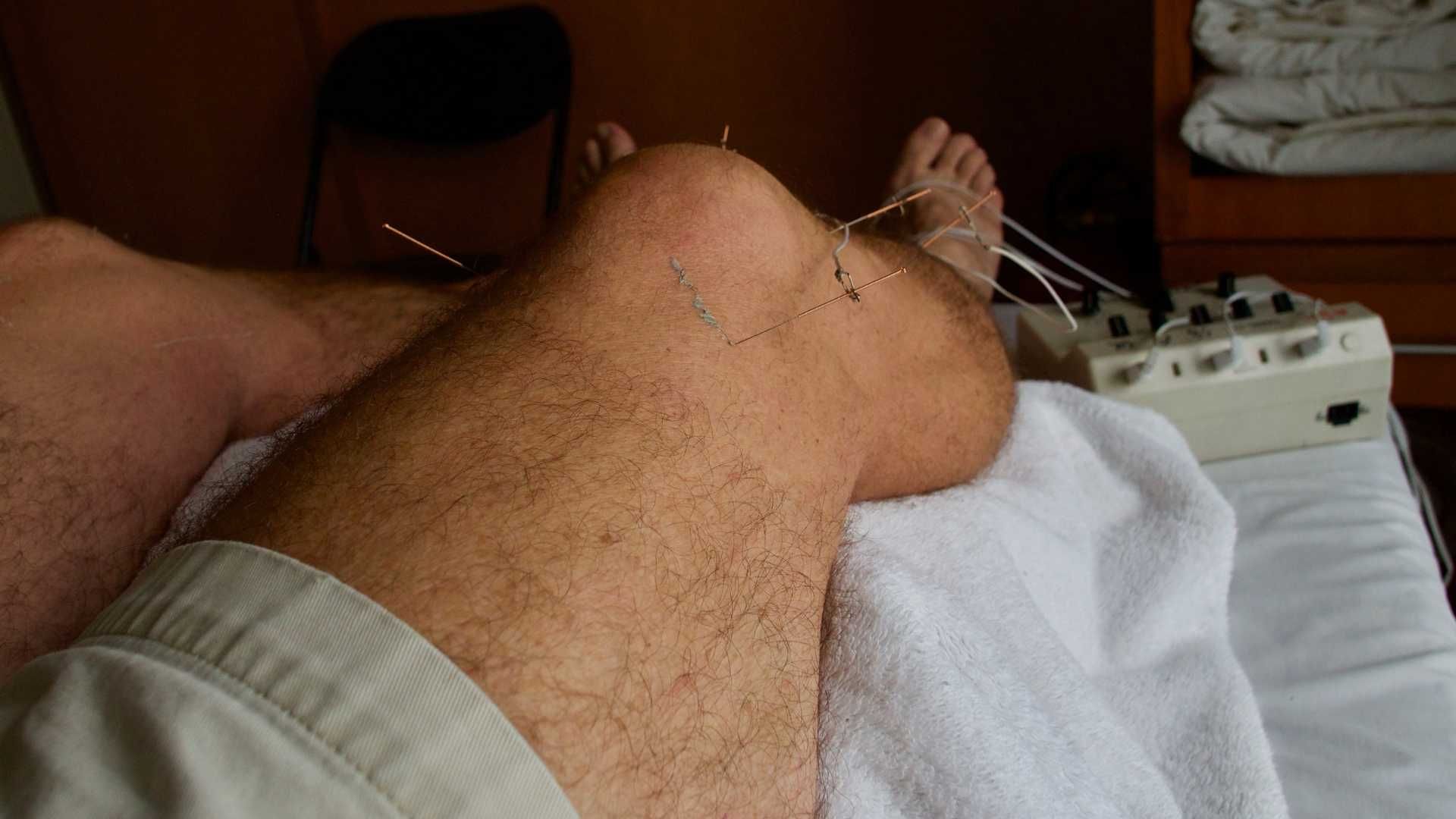
Modalities: Supportive treatments like electrical stimulation, ultrasound, heat, ice, and other technologies to reduce pain and support healing.
Education: Teaching you about your condition, body mechanics, injury prevention, and self-management strategies.
What Conditions Do Physical Therapists Treat?
Physical therapy effectively addresses:
- Post-surgical rehabilitation
- Sports injuries and athletic performance
- Chronic pain conditions
- Balance and fall prevention
- Neurological conditions
- Movement disorders
- Workplace injuries
- Pre and post-operative care
- Pediatric developmental conditions
- Geriatric mobility issues
Physical Therapy Strengths
Movement expertise: Physical therapists are the experts in human movement and how to optimize it.
Comprehensive rehabilitation: PT provides systematic progression from injury to full function.
Long-term improvement: Exercise-based treatment creates lasting changes in strength, flexibility, and movement patterns.
Functional restoration: Emphasis on returning to real-world activities, sports, and work.
Prevention focus: PT teaches you how to prevent re-injury and maintain gains independently.
Specialized techniques: Advanced training in sports rehabilitation, post-surgical care, balance training, and specific conditions.
Key Differences Between Chiropractic Care and Physical Therapy
Understanding how these disciplines differ helps clarify why they work so well together.
Treatment Philosophy
Chiropractic care: Emphasizes the relationship between spinal alignment and nervous system function. Focuses on removing interference to allow the body to heal naturally.
Physical therapy: Emphasizes movement as medicine and functional restoration. Focuses on building capacity through progressive exercise and activity.
Primary Treatment Focus
Chiropractic care:
- Joint manipulation and mobilization
- Restoring proper alignment
- Reducing nervous system interference
- Immediate pain relief
- Correcting biomechanical dysfunction
Physical therapy:
- Therapeutic exercise and strengthening
- Movement pattern correction
- Functional capacity building
- Long-term rehabilitation
- Return to activity/sport
Treatment Delivery
Chiropractic care:
- Typically 20-minute focused treatments
- Hands-on adjustments are central
- May include soft tissue work and exercises
- Often more frequent initially, then reducing
Physical therapy:
- Typically 30-60 minute sessions
- Exercise and movement-based
- More emphasis on active patient participation
- Progressive program over weeks to months
Practitioner Training
Chiropractors:
- Doctor of Chiropractic (DC) degree
- Extensive training in spinal anatomy, biomechanics, and manipulation techniques
- Portal-of-entry providers (no referral needed)
- Specialize in conservative management of neuromusculoskeletal conditions
Physical Therapists:
- Doctor of Physical Therapy (DPT) degree
- Extensive training in movement science, rehabilitation, and therapeutic exercise
- Portal-of-entry providers in most states (no referral needed)
- Specialize in physical rehabilitation and functional restoration
Scope of Practice
Chiropractic care:
- Spinal and extremity manipulation
- Diagnosis of musculoskeletal conditions
- Conservative treatment and management
- Referral to other specialists when needed
Physical therapy:
- Physical rehabilitation following injury or surgery
- Movement analysis and correction
- Therapeutic exercise prescription
- Specialized techniques for specific conditions
Why Chiropractic Care and Physical Therapy Work Better Together
When combined, these two disciplines create a comprehensive treatment approach that addresses your condition from multiple angles.
Complementary Strengths
Chiropractic adjustments prepare the body for PT exercises:
When joints are restricted or misaligned, muscles can't function optimally. Chiropractic adjustments restore proper joint mechanics, creating an ideal foundation for the strengthening and movement work done in physical therapy.
Think of it this way: If you try to strengthen muscles around a restricted joint, you're building strength on top of dysfunction. First addressing the joint restriction through chiropractic care, then building strength through PT, creates better results.
Physical therapy reinforces chiropractic corrections:
Adjustments restore joint function, but without strengthening the surrounding muscles and retraining movement patterns, the problem often returns. Physical therapy builds the strength and movement quality needed to maintain the improvements gained through adjustments.
Example: A chiropractic adjustment might restore proper motion to your lower back, reducing pain immediately. Physical therapy then strengthens your core muscles and teaches you proper lifting mechanics, preventing the problem from recurring.
Addressing Different Recovery Phases
Acute phase (immediate injury/pain):
- Chiropractic care provides quick pain relief through adjustments
- PT offers pain management modalities and gentle movement
- Combined approach: faster pain reduction
Subacute phase (healing and initial recovery):
- Chiropractic care maintains proper alignment as tissues heal
- PT introduces progressive exercises to restore function
- Combined approach: optimal healing environment with functional gains
Rehabilitation phase (rebuilding strength and function):
- Chiropractic care ensures biomechanics stay optimal
- PT advances exercises and functional training
- Combined approach: comprehensive restoration
Maintenance phase (prevention and long-term health):
- Chiropractic care addresses minor issues before they become major
- PT provides ongoing exercise progression and activity guidance
- Combined approach: sustained results and injury prevention
Faster Overall Recovery
Research and clinical experience suggest that patients receiving both chiropractic care and physical therapy often recover more quickly than those receiving only one or the other.
Why combined care accelerates recovery:
Pain reduction happens faster: Chiropractic adjustments provide immediate pain relief while PT builds long-term capacity.
Multiple mechanisms of healing: You benefit from both manual therapy and active rehabilitation simultaneously.
Better compliance: When you feel better quickly (from adjustments), you're more motivated to do your PT exercises.
Comprehensive approach: All aspects of your condition are addressed, not just some of them.
Prevention of compensation patterns: Addressing biomechanics and strength together prevents developing new problems.
Better Long-Term Outcomes
Reduced recurrence rates: Studies suggest that combining manual therapy with exercise produces lower re-injury rates than either alone.
Sustained improvements: The functional changes from PT maintain the structural improvements from chiropractic care.
Enhanced self-management: You learn both when to seek adjustment and how to maintain strength and mobility independently.
Improved overall function: You don't just eliminate pain; you become stronger, more flexible, and better able to handle physical demands.
Conditions That Benefit from Combined Chiropractic and Physical Therapy
While many conditions benefit from integrated care, some respond particularly well to the combined approach.
Sports Injuries
Why combined care works:
Athletes need both immediate pain relief and functional restoration to return to their sport safely.
Chiropractic contribution:
- Restores joint mobility affected by injury
- Addresses compensatory misalignments
- Reduces pain to allow training
- Maintains optimal biomechanics during recovery
Physical therapy contribution:
- Sport-specific rehabilitation exercises
- Gradual return-to-sport protocols
- Strength and power development
- Movement pattern correction
- Performance optimization
Examples:
- Ankle sprains: chiropractic mobilization + PT balance and strengthening
- Shoulder injuries: chiropractic joint work + PT rotator cuff strengthening
- Knee problems: chiropractic hip/knee/ankle alignment + PT stability training
- Running injuries: chiropractic biomechanical correction + PT gait retraining
Learn more about treating athletic injuries in our CrossFit and Jiu Jitsu injuries guide.
Lower Back Pain and Sciatica
Why combined care works:
Back pain involves both structural issues (disc problems, joint restrictions) and functional issues (weak core, poor movement patterns).
Chiropractic contribution:
- Spinal adjustments to restore vertebral alignment
- Disc decompression techniques
- Reduction of nerve irritation
- Immediate pain relief
- Improved spinal mobility
Physical therapy contribution:
- Core strengthening and stabilization
- Flexibility work for tight muscles
- Postural correction
- Lifting and bending mechanics training
- Progressive return to activities
Result: Faster pain relief with lower recurrence rates than either treatment alone.
Neck Pain and Headaches
Why combined care works:
Neck problems often involve both joint dysfunction and muscle imbalances, plus poor posture from modern lifestyle.
Chiropractic contribution:
- Cervical and upper thoracic adjustments
- Immediate headache relief
- Restoration of proper neck curve
- Reduction of nerve irritation
Physical therapy contribution:
- Deep neck flexor strengthening
- Postural muscle retraining
- Ergonomic education
- Upper back and shoulder strengthening
- Headache prevention exercises
Learn more in our tech neck guide.
Post-Surgical Rehabilitation
Why combined care works:
Surgery addresses structural damage but leaves you with restricted movement, muscle atrophy, and compensatory patterns.
Chiropractic contribution:
- Gentle mobilization of non-surgical areas that become restricted
- Addressing compensatory misalignments in other regions
- Supporting overall biomechanics during recovery
- Managing pain from compensation patterns
Physical therapy contribution:
- Structured post-surgical rehabilitation protocols
- Progressive exercise programs
- Scar tissue management
- Restoring full range of motion
- Building strength back to pre-surgery levels
- Return to function testing
Common surgeries benefiting from combined care:
- Knee surgery (ACL repair, meniscus, total knee replacement)
- Shoulder surgery (rotator cuff repair, labral repair)
- Spinal surgery (discectomy, fusion, laminectomy)
- Hip replacement
Chronic Pain Conditions
Why combined care works:
Chronic pain involves complex interactions between structure, function, nervous system sensitization, and movement patterns.
Chiropractic contribution:
- Reducing mechanical stress on sensitive tissues
- Improving nervous system function
- Addressing biomechanical contributors
- Providing periodic "resets" for the system
Physical therapy contribution:
- Gradual reconditioning and desensitization
- Building tolerance to movement and activity
- Addressing kinesiophobia (fear of movement)
- Progressive loading protocols
- Long-term self-management strategies
Examples:
- Fibromyalgia
- Complex regional pain syndrome
- Chronic low back pain
- Persistent neck pain
Workplace Injuries
Why combined care works:
Work injuries require both pain management and job-specific rehabilitation to return to work safely.
Chiropractic contribution:
- Quick pain relief to maintain some work capacity
- Addressing acute injury components
- Reducing inflammation and muscle spasm
- Maintaining spinal health during recovery
Physical therapy contribution:
- Work conditioning programs
- Job-specific strengthening
- Ergonomic assessment and modification
- Functional capacity evaluation
- Return-to-work protocols
Examples:
- Repetitive strain injuries
- Lifting injuries
- Prolonged sitting or standing injuries
- Heavy labor injuries
Balance and Fall Prevention (Especially in Older Adults)
Why combined care works:
Balance requires both proper joint proprioception (position sense) and muscle strength/coordination.
Chiropractic contribution:
- Improving joint proprioception through adjustments
- Addressing spinal restrictions affecting balance
- Reducing pain that limits mobility
- Maintaining joint health and mobility
Physical therapy contribution:
- Balance training exercises
- Gait training
- Strength building for stability
- Fall prevention education
- Home safety assessment
Postural Problems
Why combined care works:
Poor posture involves both structural changes (spinal curves, joint restrictions) and functional issues (muscle imbalances, poor habits).
Chiropractic contribution:
- Restoring proper spinal curves
- Mobilizing restricted joints
- Addressing acute pain from postural stress
Physical therapy contribution:
- Strengthening weak postural muscles
- Stretching tight muscles
- Postural awareness training
- Ergonomic guidance
- Long-term postural habit change
How Coordinated Care Works at Life Medical
At Life Medical, our chiropractic and physical therapy services work together seamlessly to provide you with comprehensive, coordinated care.
Initial Evaluation and Assessment
Comprehensive examination: Whether you start with a chiropractor or physical therapist, your initial evaluation includes:
Health History Discussion (5-10 minutes):
- Your condition and symptoms
- How it started and what makes it better or worse
- Your goals for treatment
- Previous injuries or treatments
- Current activity level and functional limitations
Movement-Based Examination (10-15 minutes):
- Postural analysis
- Range of motion testing
- Strength assessment
- Functional movement screening
- Gait analysis when relevant
- Sport-specific or work-specific movement testing
Treatment and Treatment Plan Discussion (10 minutes):
- Findings and diagnosis
- Recommended treatment approach
- Whether combined chiropractic and PT care would be beneficial
- Timeline for recovery
- Home care strategies
In most cases, we begin treatment during your initial visit if time permits.
Collaborative Treatment Planning
Shared assessment: Your chiropractor and physical therapist communicate about your evaluation findings and discuss the best approach for your specific condition.
Coordinated care plan: Instead of receiving two separate, disconnected treatment plans, you get one integrated plan that outlines:
- Which provider you'll see for which aspects of care
- How often you'll see each provider
- How the two treatments complement each other
- Goals and timeline for recovery
- Transition points as you progress
Clear communication: Your providers discuss your progress regularly and adjust your treatment plan as needed. What happens in your chiropractic session informs your physical therapy, and vice versa.
Typical Treatment Coordination
Example: Lower back pain with sciatica
Week 1-2:
- Chiropractic: 2-3 visits for spinal adjustments, pain relief, disc work
- Physical therapy: 1-2 visits for modalities, gentle stretching, basic core activation
- Focus: Pain reduction and initial mobility
Week 3-4:
- Chiropractic: 2 visits to maintain alignment, address restrictions
- Physical therapy: 2 visits for progressive core strengthening, movement retraining
- Focus: Building stability while maintaining pain relief
Week 5-8:
- Chiropractic: 1 visit per week, maintenance adjustments
- Physical therapy: 2 visits per week, advancing exercises, functional training
- Focus: Rebuilding strength and function
Week 9-12:
- Chiropractic: As needed, addressing minor issues
- Physical therapy: 1 visit per week, sport/work-specific training
- Focus: Return to full function and prevention
Ongoing:
- Periodic chiropractic check-ups to maintain alignment
- Independent home exercise program from PT
- Focus: Long-term health and prevention
Seamless Scheduling
Convenient same-location care: Both chiropractic and physical therapy services are provided at Life Medical, eliminating the hassle of traveling to multiple locations.
Flexible scheduling: We can often coordinate your chiropractic and PT appointments on the same day if that's most convenient, or schedule them separately based on your needs.
Efficient care: Your providers are in the same office, making communication immediate and care coordination seamless.
Shared Goals and Progress Tracking
Unified objective: Both providers work toward the same goals: reducing your pain, improving your function, and helping you return to activities you enjoy.
Coordinated progress monitoring: Your chiropractor and physical therapist track the same outcome measures and functional goals, providing a complete picture of your improvement.
Flexible adjustments: If one provider notices something that would benefit from the other's expertise, adjustments to your care plan happen quickly through direct communication.
Advanced Treatment Modalities Available
Life Medical offers advanced technologies that enhance both chiropractic and physical therapy outcomes.
Class IV Laser Therapy
Class IV laser therapy represents a significant advancement in treating musculoskeletal conditions and supporting tissue healing.
How Class IV Laser Works:
Laser therapy delivers infrared electromagnetic energy as photons into the body. These photons are absorbed by cells, where they stimulate the production of ATP (adenosine triphosphate), the universal energy currency of all living cells. This increased ATP production drives a cascade of biological responses that promote healing and reduce pain.
Our advanced laser system uses four different wavelengths (650nm, 810nm, 980nm, and 1064nm) to deliver therapeutic effects up to 6 inches deep into the body. This means we can simultaneously treat multiple tissue types including skin, nerves, tendons, muscles, cartilage, and bone in a single treatment session.
Benefits:
Accelerated healing: Laser therapy significantly speeds up the body's natural healing processes by:
- Stimulating cellular energy production (ATP synthesis)
- Enhancing fibroblast activity for tissue repair
- Increasing cell proliferation and tissue regeneration
- Promoting faster recovery from injury
Inflammation reduction: Laser therapy effectively reduces inflammation by:
- Decreasing inflammatory mediators and cytokines
- Reducing swelling and edema
- Improving lymphatic drainage to remove inflammatory waste products
- Modulating immune system responses in affected areas
Nerve regeneration: Laser therapy stimulates cellular processes essential for nerve repair:
- Enhances mitochondrial function in nerve cells
- Increases nerve growth factor production
- Supports myelin sheath repair (the protective coating around nerves)
- Accelerates healing of irritated nerves
Improved circulation: Enhanced blood flow provides:
- Increased oxygen delivery essential for healing
- Better nutrient supply to support tissue repair
- More efficient removal of metabolic waste products
- Overall improved healing environment
Pain mediation: Laser therapy modulates pain perception through multiple pathways:
- Decreasing substance P and other pain neurotransmitters
- Reducing sensitivity of pain receptors
- Promoting endorphin release for natural pain relief
- Interrupting the pain-spasm-pain cycle
Multi-depth tissue treatment: The four wavelengths in our laser system work synergistically:
- 650nm wavelength treats superficial tissues and skin
- 810nm and 980nm wavelengths penetrate to mid-depth structures like muscles and tendons
- 1064nm wavelength reaches deepest tissues including joints and bones
- Combined wavelengths treat all tissue layers simultaneously for comprehensive healing
Class IV laser therapy is completely painless with a gentle warming sensation, non-invasive with no side effects, and treatments typically last 5-10 minutes. It can be used alongside both chiropractic adjustments and physical therapy exercises.
Other Supportive Technologies
Electrical stimulation: Reduces pain and muscle spasm, supports healing.
Therapeutic ultrasound: Promotes deep tissue healing.
Heat and cold therapy: Strategic use of temperature for pain management and recovery.
Traction: Gentle spinal decompression for disc-related problems.
What to Expect from Combined Care
Understanding the treatment process helps you feel confident about your care.
Your First Visit
Starting point: You may begin with either a chiropractor or physical therapist depending on your condition and preference. During your initial visit, your provider will assess whether combined care would benefit you.
Initial evaluation: Your comprehensive 30-minute assessment includes health history, movement examination, and treatment plan discussion as described earlier.
Provider communication: If combined care is recommended, your initial provider will discuss your case with the other discipline and coordinate your treatment plan.
Same-day options: In some cases, you may see both a chiropractor and physical therapist during your first visit if combined initial treatment is appropriate.
Typical Combined Treatment Sessions
Chiropractic visits (20 minutes):
- Focused hands-on adjustments
- Soft tissue therapy as needed
- Advanced modalities like laser therapy
- Brief check-in on PT exercise progress
- Coordination with PT plan
Physical therapy sessions (45-60 minutes):
- Exercise and movement-based treatment
- Manual therapy techniques
- Functional training
- Progressive program advancement
- Home exercise instruction
Flexible scheduling: You might see both providers on the same day, alternate days, or on a schedule customized to your needs and progress.
Treatment Progression
Phase 1: Acute care (typically 2-4 weeks)
- Frequent chiropractic visits (2-3x per week)
- PT 1-2x per week
- Focus: pain relief, basic function restoration
Phase 2: Active rehabilitation (typically 4-8 weeks)
- Reduced chiropractic frequency (1-2x per week)
- Maintained or increased PT (2x per week)
- Focus: building strength and function
Phase 3: Advanced rehabilitation (typically 2-3 months)
- Occasional chiropractic maintenance (as needed)
- Continued PT progression (1x per week)
- Focus: return to full activity
Phase 4: Maintenance and prevention (ongoing)
- Periodic chiropractic check-ups
- Independent home exercise program from PT
- Focus: long-term health
Communication and Coordination You Can Expect
Regular provider communication: Your chiropractor and physical therapist discuss your progress, often multiple times per week.
Coordinated adjustments: If one provider identifies something that needs attention, they communicate with the other to adjust your overall plan.
Unified messaging: You receive consistent information and recommendations from both providers.
Seamless transitions: As you progress, the emphasis naturally shifts from more chiropractic care to more PT, then to independent management, with clear communication at each step.
Complementary Services at Life Medical
Our integrative approach means additional services are available when beneficial.
Primary Care Integration
Our primary care services can:
- Manage underlying health conditions affecting recovery
- Order imaging or lab work when needed
- Coordinate with specialists
- Provide comprehensive health management
Nutritional Support
Nutritional therapy enhances recovery by:
- Reducing inflammation through diet
- Ensuring adequate nutrients for tissue repair
- Supporting overall health and healing
- Managing weight if it's affecting your condition
Key nutrients for musculoskeletal health:
- Omega-3 fatty acids for inflammation reduction
- Vitamin D for bone and muscle health
- Magnesium for muscle function
- Protein for tissue repair
- Antioxidants for healing support
Mental Health Support
Chronic pain and injury affect mental health. Our mental health services provide:
- Stress management for pain conditions
- Coping strategies during recovery
- Treatment for anxiety or depression
- Mind-body approaches to healing
Pain Management
For complex pain conditions, our pain treatment services offer additional support.
Integrative Medicine Philosophy
Our integrative medicine approach means we use the best of all healthcare disciplines to support your complete recovery.
Insurance and Payment Options
We want comprehensive care to be accessible and affordable.
Insurance Coverage
Most major insurance plans include benefits for both chiropractic care and physical therapy, though coverage varies by plan. We accept most insurance carriers and will verify your benefits before your first appointment.
Important update for Minnesota Medicaid patients:
Effective January 1, 2026, due to a change in Minnesota state law, chiropractic services are no longer a covered benefit for members aged 21 and over enrolled in Minnesota Health Care Programs (MHCP). This change applies to all Minnesota Medicaid health plans and is not specific to any particular health plan or insurance carrier. Physical therapy coverage may differ; check with your plan.
Please contact your insurance provider if you are not sure if chiropractic and physical therapy services will still be covered under your plan.
Out-of-Pocket Pricing
For patients without insurance coverage or who prefer to pay directly, we offer transparent cash-pay pricing for both chiropractic care and physical therapy. Contact our office at (952) 933-8900 for specific pricing information, or visit our pricing page for detailed cost information.
The Life Medical Advantage: Integrated Care Under One Roof
Receiving both chiropractic care and physical therapy at Life Medical offers significant advantages over seeking these services at separate locations.
Seamless communication: Your providers talk regularly, not just through notes in a chart.
Coordinated treatment plans: You have one integrated plan, not two separate ones.
Convenient location: Everything happens in one place at 4201 Excelsior Boulevard, St. Louis Park, MN.
Consistent philosophy: Both providers share the same integrative, patient-centered approach.
Efficient scheduling: Flexible appointment options, including same-day visits to both providers when beneficial.
Comprehensive resources: Access to advanced technologies like Class IV laser that enhance both disciplines.
Whole-person perspective: Your overall health is considered, not just your specific injury.
Faster recovery: Research and clinical experience suggest better outcomes with coordinated care.
Better long-term results: Lower recurrence rates and sustained improvements.
Cost-effective: Combined care often reaches goals more efficiently than prolonged single-approach treatment.
Getting Started with Combined Chiropractic and Physical Therapy Care
If you're dealing with pain, injury, or movement problems, combined chiropractic and physical therapy care may offer the comprehensive solution you need.
Ready to experience the benefits of coordinated care?
Call Life Medical at (952) 933-8900 to schedule your initial evaluation. Our team will assess your condition and determine whether combined chiropractic and physical therapy care would benefit you.
Our St. Louis Park office is conveniently located at 4201 Excelsior Boulevard, St. Louis Park, MN 55416.
Visit our chiropractic care page and physical therapy page to learn more about each service, or use our patient portal to request an appointment online.
Explore our full range of healthcare services to see how Life Medical's integrative approach can support your complete health and wellness.
FAQs About Chiropractic Care and Physical Therapy
Should I see a chiropractor or physical therapist first?
Either can be an appropriate starting point depending on your condition. During your initial evaluation, your provider will assess whether combined care would benefit you. Many patients benefit from seeing both, often starting with chiropractic for immediate pain relief and adding PT for functional restoration.
Can I do chiropractic and physical therapy on the same day?
Yes. In many cases, receiving both treatments on the same day is convenient and effective. Your chiropractic adjustment can prepare your body for PT exercises, and your providers can coordinate the timing for optimal results.
Will insurance cover both chiropractic and physical therapy?
Most insurance plans provide benefits for both, though coverage limits and requirements vary. Some plans have separate visit limits for each discipline. Contact our office at (952) 933-8900 to verify your specific coverage.
How long will I need combined treatment?
Treatment duration varies based on your condition, severity, and goals. Acute injuries may respond in 4-8 weeks, while chronic conditions or post-surgical rehabilitation may require 3-6 months. Your providers will give you a specific timeline during your initial evaluation.
Do I need a referral for chiropractic or physical therapy?
Both chiropractors and physical therapists are portal-of-entry providers, meaning most patients don't need referrals. However, some insurance plans require referrals for coverage, so check with your plan.
Will my chiropractor and physical therapist communicate about my care?
Yes. At Life Medical, your providers regularly discuss your progress and coordinate your treatment plan. This communication happens frequently, not just through written notes.
Can combined care help chronic pain that hasn't responded to other treatments?
Often, yes. The comprehensive approach of addressing both biomechanical issues (through chiropractic) and functional capacity (through PT) can help conditions that haven't improved with single-approach treatment.
Is combined treatment more expensive than seeing just one provider?
While you're receiving two services, combined care often reaches treatment goals more quickly and with better long-term results, potentially making it more cost-effective overall. Many insurance plans cover both services.
What's the difference between chiropractic soft tissue work and PT manual therapy?
Both disciplines use hands-on techniques, but with different emphases. Chiropractors focus on joint manipulation and mobilization along with soft tissue work. Physical therapists emphasize therapeutic exercise combined with manual therapy. At Life Medical, the approaches complement rather than duplicate each other.
Can children receive both chiropractic and physical therapy?
Yes. Combined care can be very effective for pediatric conditions like sports injuries, growing pains, developmental issues, and postural problems. Treatment is always age-appropriate and gentle.
Will I have homework from both providers?
You'll receive home exercises and recommendations, but your providers coordinate to ensure the total homework is reasonable and not overwhelming. The chiropractic and PT recommendations work together rather than creating conflicting demands.
How do I know if I need both or just one?
During your initial evaluation, your provider will assess your condition and honestly recommend whether combined care would benefit you. Not every condition requires both approaches, and we'll only recommend combined care when it truly adds value.
FAQs About Life Medical
What makes Life Medical different from other clinics?
Life Medical offers truly integrated care with chiropractic, physical therapy, primary care, and other services under one roof with coordinated treatment plans. Your providers communicate regularly to ensure you receive comprehensive, efficient care.
Do I have to see both a chiropractor and physical therapist?
No. While many conditions benefit from combined care, your provider will recommend treatment based on your specific needs. Some patients receive only chiropractic care, some only PT, and some benefit from both.
What other services does Life Medical offer?
We're a comprehensive healthcare practice offering primary care, chiropractic care, physical therapy, pain treatment, nutritional therapy, mental health services, and other integrative medicine services.
How long are appointments?
Initial evaluations are 30 minutes for both chiropractic and physical therapy. Follow-up chiropractic visits are 20 minutes. Physical therapy sessions are typically 45-60 minutes.
Where is Life Medical located?
We're at 4201 Excelsior Boulevard, St. Louis Park, MN 55416. Visit our locations page for directions and parking information.
How do I schedule an appointment?
Call (952) 933-8900 or use our patient portal to request an appointment online. Let us know if you're interested in combined chiropractic and PT care.
Don't settle for single-approach treatment when comprehensive, coordinated care can help you recover faster and more completely. Experience the Life Medical difference where chiropractic care and physical therapy work together seamlessly to address all aspects of your condition. Contact us today to discover how integrated care can transform your recovery.
Disclaimer: The information provided on this blog is for general informational purposes only and is not intended as, and should not be considered, medical advice. All information, content, and material available on this blog are for general informational purposes only. Readers are advised to consult with a qualified healthcare professional for medical advice, diagnosis, or treatment. The author and the blog disclaim any liability for the decisions you make based on the information provided. Always seek the advice of your physician or other qualified health provider with any questions you may have regarding a medical condition.