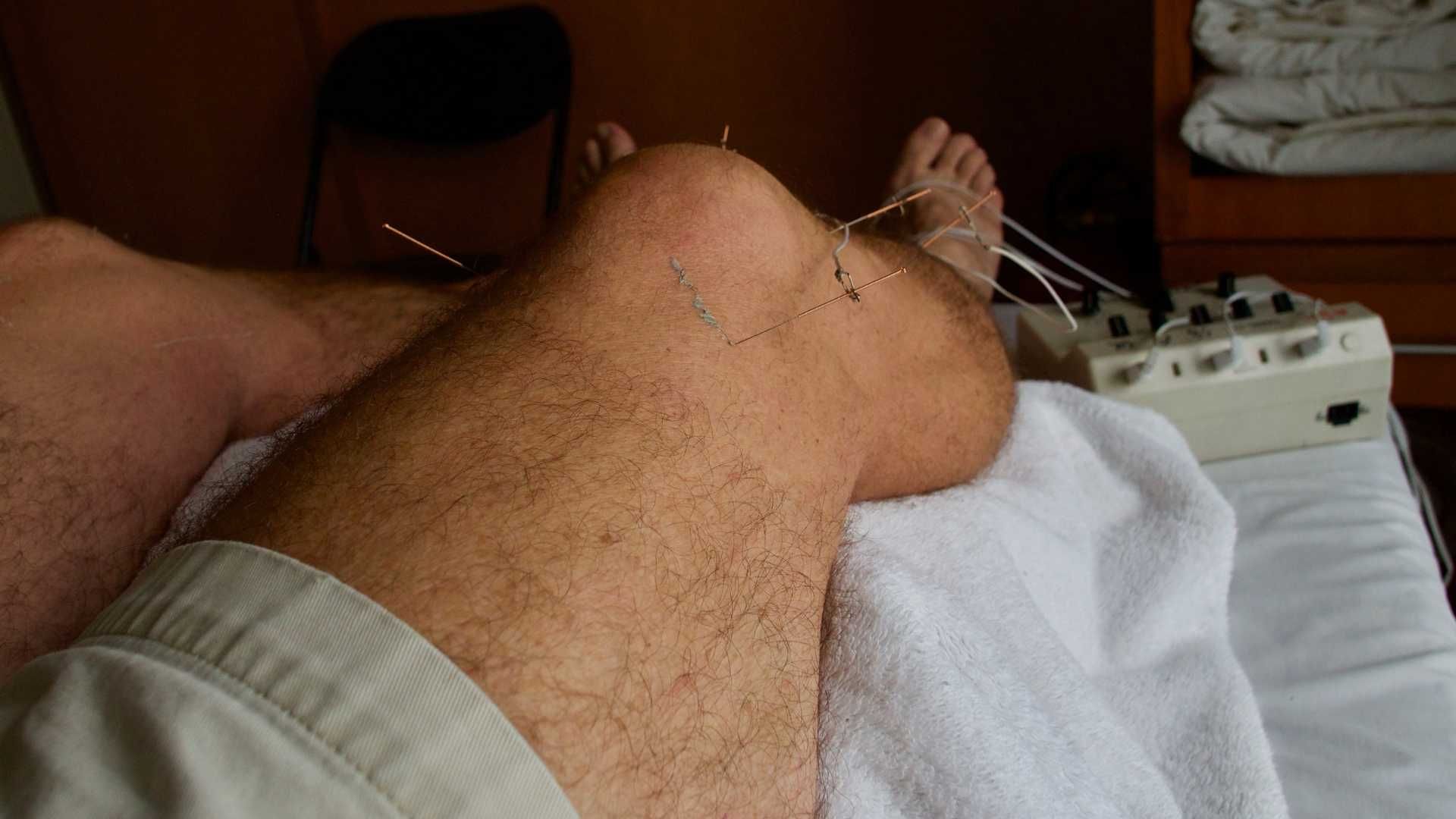
What Is Chiropractic Care? Your Complete Guide to Treatment at Life Medical
Key Points:
- Chiropractors are portal of entry providers who can be your first point of contact for musculoskeletal concerns
- Chiropractic care specializes in conservative management of conditions like back pain, headaches, joint problems, and sports injuries
- Treatment includes spinal and extremity manipulation, soft tissue therapy, rehabilitation exercises, and advanced modalities
- Initial appointments are 30 minutes with comprehensive movement-based examinations and often include same-day treatment
- Follow-up visits are 20 minutes and include hands-on treatment and purposeful movement
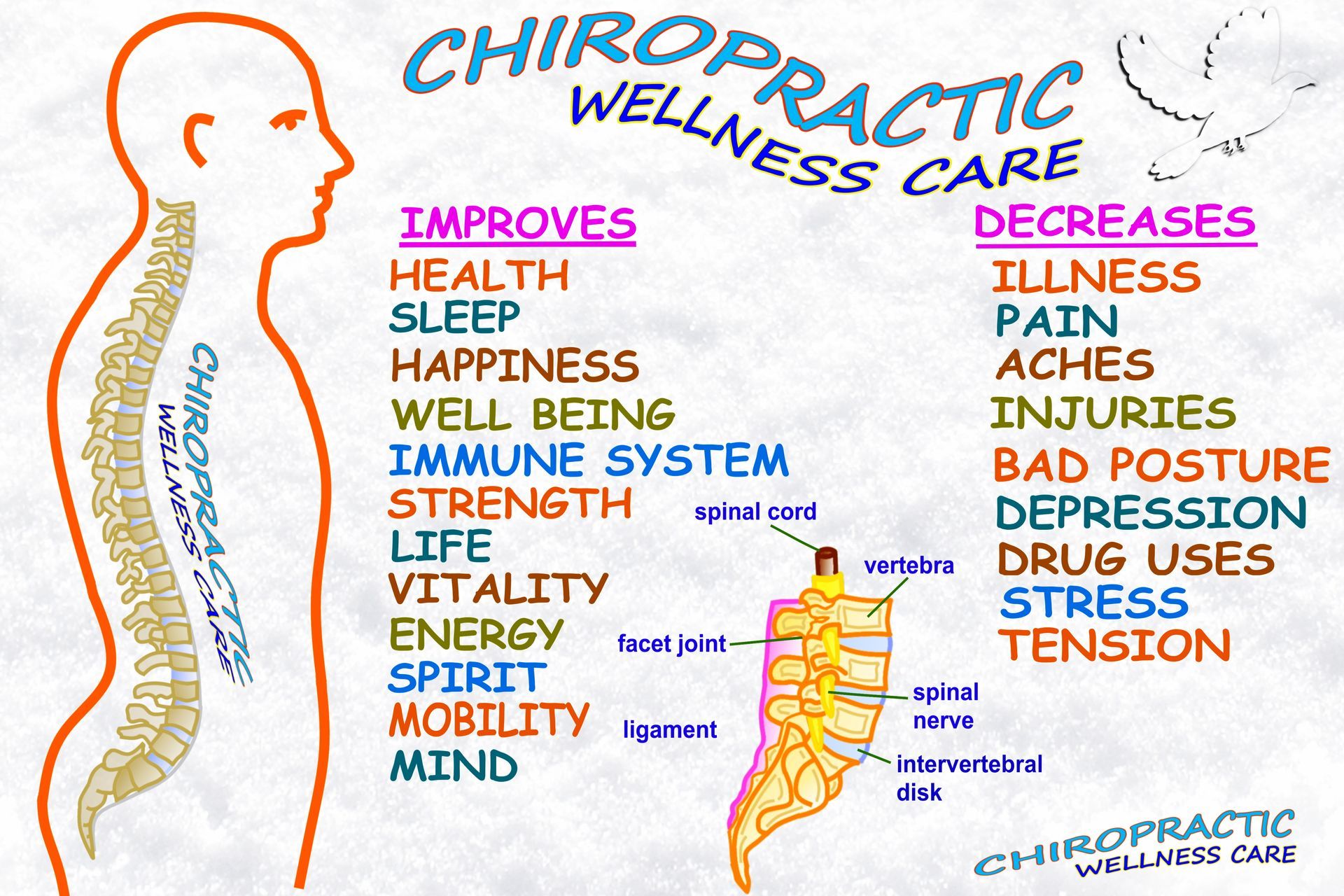
- Benefits include reduced pain, improved range of motion, and enhanced overall function
- Life Medical offers comprehensive chiropractic care in St. Louis Park, Minnesota
Understanding Chiropractic Care: More Than Just Back Adjustments
If you've never seen a chiropractor before, you might have questions about what chiropractic care actually involves. Maybe you've heard it's only for back pain, or perhaps you're wondering what happens during an appointment. At Life Medical in St. Louis Park, MN, our chiropractic care goes far beyond simple spine adjustments to address a wide range of musculoskeletal conditions and help you move, feel, and function better.
Chiropractic care is a healthcare profession focused on diagnosing and treating disorders of the musculoskeletal system, particularly the spine, joints, and nervous system. Chiropractors are trained to identify the root causes of pain and dysfunction, not just mask symptoms with medication.
Chiropractors as Portal of Entry Providers
One of the most important things to understand about chiropractors is that we're portal of entry providers. This means you don't need a referral from another doctor to see us. You can make an appointment directly when you're experiencing pain, injury, or movement problems.
What Does Portal of Entry Mean for You?
Direct access to care: When you wake up with neck pain, throw out your back, or injure yourself playing sports, you can call Life Medical directly and schedule an appointment. No waiting for referrals or approval.
Comprehensive evaluation: As your first point of contact, we conduct thorough examinations to understand your condition, determine if chiropractic care is appropriate, and identify if you need additional testing or referral to other specialists.
Cost-effective care: Seeing a chiropractor first for musculoskeletal problems often costs less than going through traditional medical routes that may involve expensive imaging, multiple appointments, and medications before addressing the actual problem.
Faster treatment: Direct access means you can start treatment sooner, often leading to quicker recovery and less time dealing with pain.
Coordinated care: If we determine you need care beyond chiropractic treatment, we can refer you to the appropriate specialist. At Life Medical, our integrated approach means we work seamlessly with our primary care physicians and other providers when necessary.
Experts in Conservative Management
Chiropractors specialize in conservative management of musculoskeletal conditions. "Conservative management" means using non-surgical, non-pharmaceutical approaches to diagnose and treat health problems.
What Conditions Do Chiropractors Treat?
Chiropractic care effectively addresses a wide variety of conditions:
Spinal Conditions:
- Lower back pain and sciatica
- Neck pain and stiffness
- Mid-back pain and tension
- Disc-related problems
- Spinal stenosis
- Postural dysfunction
- Scoliosis management
Headaches and Migraines:
- Tension headaches
- Cervicogenic headaches (headaches originating from the neck)
- Migraine management
- Cluster headaches
Joint Problems:
- Shoulder pain and rotator cuff issues
- Elbow problems like tennis elbow
- Wrist and hand conditions including carpal tunnel syndrome
- Hip pain and dysfunction
- Knee pain and tracking problems
- Ankle sprains and instability
Foot and Ankle Conditions:
- Plantar fasciitis (learn more in our plantar fasciitis guide)
- Achilles tendinopathy
- Arch pain
- Ankle instability
Nerve-Related Issues:
- Neuropathy (nerve pain and dysfunction)
- Radiculopathy (pinched nerves)
- Nerve entrapment syndromes
- Numbness and tingling
Tendon and Soft Tissue Problems:
- Tendinopathy in various joints
- Muscle strains
- Ligament sprains
- Myofascial pain syndrome
Sports Injuries:
- Athletic performance optimization
- Injury prevention
- Recovery from sports-related trauma
- Movement pattern correction
Work-Related Conditions:
- Repetitive strain injuries
- Ergonomic dysfunction
- Occupational pain syndromes
Other Conditions:
- TMJ (jaw) dysfunction
- Rib dysfunction and costochondritis
- Pregnancy-related pain
- Post-surgical rehabilitation support
The Conservative Management Approach
Conservative management means we use the least invasive, most natural approaches first:
Assessment before treatment: Comprehensive evaluation to understand what's causing your problem, not just where it hurts.
Hands-on care: Manual therapy techniques including manipulation, mobilization, and soft tissue work to restore function.
Active rehabilitation: Exercise and movement-based treatments that give you tools to manage and prevent future problems.
Lifestyle modifications: Guidance on ergonomics, posture, activity modification, and self-care strategies.
Advanced modalities: Technologies like shockwave therapy, Class IV laser therapy, and other supportive treatments when appropriate.
Minimal medication reliance: Helping you manage pain and heal without becoming dependent on pain medications.
Surgery avoidance: For many conditions, proper conservative care prevents the need for surgical intervention.
When Chiropractors Refer: Recognizing Complicated Cases
While chiropractors can manage most musculoskeletal conditions, we're also trained to recognize when a condition requires additional expertise or different types of care.
Red Flags and Referral Patterns
Medical emergencies: Signs of serious conditions like fractures, infections, or tumors require immediate medical referral.
Complex cases: Conditions that don't respond to conservative care as expected may need imaging, specialist consultation, or advanced medical intervention.
Systemic diseases: When musculoskeletal symptoms suggest underlying medical conditions like rheumatoid arthritis, we coordinate with appropriate specialists.
Surgical candidates: Some conditions ultimately require surgical intervention. We identify these cases and refer appropriately.
Multidisciplinary needs: Many patients benefit from combined approaches. We might refer for physical therapy, pain management, imaging, or specialist consultation while continuing chiropractic care.
At Life Medical, our integrated model means referrals happen seamlessly. If you need imaging, we can arrange that. If you'd benefit from seeing one of our primary care physicians, we coordinate that care. If you need mental health support for chronic pain, we make those connections. You get comprehensive care without the hassle of navigating multiple unconnected providers.
Core Chiropractic Treatment Techniques
Chiropractic care involves several hands-on and movement-based treatment approaches:
Spinal Manipulation and Mobilization
Spinal manipulation (adjustment): This is what most people think of when they hear "chiropractor." Manipulation involves controlled, quick movements applied to spinal joints to restore proper motion and reduce pain. You may hear a popping sound, which is simply gas bubbles releasing from the joint (like cracking your knuckles).
Spinal mobilization: Gentler, slower movements that gradually increase joint motion. This technique is ideal for patients who prefer less forceful treatment or have conditions where manipulation isn't appropriate.
Benefits:
- Restores normal joint movement
- Reduces pain and muscle tension
- Improves spinal alignment
- Enhances nervous system function
- Increases range of motion
Extremity Manipulation and Mobilization
Chiropractors don't just work on the spine. We're trained to adjust and mobilize every joint in your body:
Upper extremity: Shoulders, elbows, wrists, hands, ribs Lower extremity: Hips, knees, ankles, feet Jaw (TMJ): Temporomandibular joint dysfunction
Extremity work addresses:
- Joint restrictions affecting movement
- Compensation patterns from spinal problems
- Sports injuries
- Arthritis and degenerative joint conditions
- Post-injury or post-surgical stiffness
Soft Tissue Therapy
Muscles, tendons, ligaments, and fascia (connective tissue) play crucial roles in pain and function. Our chiropractors use various soft tissue techniques:
Massage therapy: Targeted massage to reduce muscle tension, improve circulation, and promote relaxation.
Myofascial release: Sustained pressure on tight fascial restrictions to restore movement and reduce pain.
Trigger point therapy: Direct pressure on muscle trigger points (knots) that cause local and referred pain.
Instrument-assisted soft tissue mobilization: Tools that help break down scar tissue, reduce adhesions, and improve tissue quality.
Active release technique: Movement-based soft tissue work that addresses muscle and fascial restrictions during specific motions.
Rehabilitation and Performance-Based Programming
Modern chiropractic care emphasizes active treatment, not just passive adjustments. We design exercise programs tailored to your specific needs:
Rehabilitation programming: For patients recovering from injury or managing chronic conditions, we create progressive exercise plans that:
- Restore strength and flexibility
- Improve stability and balance
- Retrain proper movement patterns
- Build resilience against re-injury
Performance-based programming: For athletes and active individuals wanting to optimize function, we develop programs that:
- Enhance athletic performance
- Prevent sports injuries
- Address movement inefficiencies
- Support training goals
Functional movement training: Exercises that mirror your daily activities or sport-specific movements, ensuring treatment translates to real-world function.
Purposeful movement: Every exercise has a specific purpose tied to your goals, whether that's returning to work pain-free, playing with your grandchildren, or competing at a high level.
Advanced Treatment Modalities
At Life Medical, we complement hands-on chiropractic care with advanced therapeutic technologies:
Shockwave Therapy
Extracorporeal shockwave therapy uses acoustic waves to stimulate healing in chronic tendon, ligament, and soft tissue conditions. This technology is particularly effective for:
- Plantar fasciitis
- Achilles tendinopathy
- Tennis elbow
- Shoulder tendinitis
- Chronic muscle trigger points
Shockwave therapy promotes tissue regeneration, increases blood flow, and provides lasting pain relief. Learn more about this advanced treatment in our dedicated shockwave therapy article.
Class IV Laser Therapy
Class IV laser therapy (also called high-intensity laser therapy) uses specific wavelengths of light to penetrate deep into tissue and promote healing. Unlike lower-powered lasers, Class IV lasers deliver therapeutic energy more quickly and effectively.
Class IV laser therapy:
- Reduces inflammation
- Accelerates tissue healing
- Decreases pain
- Improves cellular function
- Enhances blood flow to injured areas
This therapy is painless and effective for acute injuries, chronic conditions, and post-surgical recovery. At Life Medical, we recently invested in advanced Class IV laser technology to provide our patients with the most effective treatment options available.
Heat and Ice Therapy
Strategic use of heat and ice supports tissue healing and pain management:
Ice therapy: Reduces acute inflammation, controls swelling, and numbs pain in fresh injuries.
Heat therapy: Increases blood flow, relaxes muscles, and reduces stiffness in chronic conditions.
Contrast therapy: Alternating heat and ice for specific conditions and recovery protocols.
Electrotherapies
Various electrical stimulation techniques support healing and pain management:
TENS (Transcutaneous Electrical Nerve Stimulation): Blocks pain signals and stimulates endorphin production.
Muscle stimulation: Reduces muscle spasm, increases circulation, and supports muscle re-education.
Interferential current: Deep tissue pain relief and improved healing.
Other Supportive Modalities
Ultrasound therapy: Sound waves that promote deep tissue healing and reduce inflammation.
Traction: Gentle stretching of the spine to reduce pressure on nerves and discs.
Kinesiology taping: Therapeutic tape that supports proper movement, reduces pain, and facilitates healing.
What to Expect During Your Chiropractic Appointments
Understanding what happens during chiropractic visits helps you feel comfortable and prepared.
Initial Examination: 30-Minute Comprehensive Assessment
Your first chiropractic appointment at Life Medical is a thorough 30-minute evaluation designed to understand your condition completely.
Health History Discussion (5-10 minutes):
- What brought you in (your chief complaint)
- When and how your problem started
- What makes it better or worse
- Previous injuries or conditions
- Current medications and treatments
- Your health goals and concerns
- Medical history relevant to your current problem
- Lifestyle factors (work, activities, exercise habits)
Movement-Based Examination (10-15 minutes):
Unlike typical medical exams where you mostly sit still, chiropractic examinations emphasize how you move. We assess:
Posture analysis: How you stand, sit, and hold yourself reveals important information about muscle imbalances and joint dysfunction.
Range of motion testing: How far and how easily your joints move in all directions.
Functional movement screening: Real-world movements like squatting, bending, reaching, and turning that expose movement limitations and compensation patterns.
Orthopedic testing: Specific tests that help identify which structures are involved in your problem (muscles, joints, ligaments, nerves, etc.).
Neurological examination: Testing reflexes, sensation, muscle strength, and nerve function when appropriate.
Palpation: Hands-on examination of your spine and affected areas to identify restrictions, muscle tension, inflammation, and tender points.
Gait analysis: Watching how you walk reveals lower body mechanics and compensation patterns.
Specialized testing: Additional tests based on your specific condition, like balance testing, strength measurements, or functional assessments.
Treatment and Treatment Plan Discussion (10 minutes):
After completing the examination, we explain:
- What we found during the evaluation
- Our diagnosis or working hypothesis
- Recommended treatment approach
- Expected timeline for improvement
- What you can do at home to support recovery
- Whether imaging or additional testing is needed
- If referral to other providers would be beneficial
In most cases, we begin treatment during your initial visit if time permits.
Follow-Up Appointments: 20-Minute Focused Treatment
Subsequent appointments are 20 minutes and focus on hands-on treatment and active care.
Check-In (2-3 minutes):
- How you've been since the last visit
- Changes in symptoms
- Response to previous treatment
- Any new concerns or questions
Hands-On Treatment (12-15 minutes):
The core of your follow-up visit includes:
Manual therapy: Spinal or extremity manipulation and mobilization targeted to your specific restrictions and problem areas.
Soft tissue work: Massage, myofascial release, or other soft tissue techniques to address muscle tension and improve tissue quality.
Purposeful movement: Guided exercises and movements that:
- Reinforce the benefits of manual therapy
- Retrain proper movement patterns
- Build strength and stability
- Improve flexibility and range of motion
- Address specific functional limitations
Modality application: When appropriate, we use supportive technologies like shockwave therapy, Class IV laser, heat, ice, or electrical stimulation to enhance healing and pain relief.
Home Care Review and Progression (2-3 minutes):
- Review of home exercises and self-care strategies
- Progression of your exercise program as you improve
- Activity modifications and ergonomic advice
- Timeline for next appointment
- Adjustments to treatment plan based on your progress
Treatment Frequency and Duration
Initial phase: Most patients start with 2-3 visits per week for 2-4 weeks to gain control of acute symptoms and establish improvement.
Rehabilitation phase: As you improve, visits typically reduce to 1-2 times per week for 4-8 weeks while we focus on strengthening, stability, and functional restoration.
Maintenance phase: Some patients benefit from occasional maintenance visits (monthly or as needed) to maintain gains and prevent recurrence.
Total treatment duration: Varies widely based on your condition, chronicity, and response to care. Acute injuries might resolve in 4-6 weeks, while chronic conditions may require 3-6 months or longer.
We continuously reassess your progress and adjust your treatment plan accordingly. If you're not improving as expected, we modify our approach or consider additional diagnostic testing or specialist referral.
Benefits of Chiropractic Care
What can you expect to gain from chiropractic treatment?
Reduced Pain and Stiffness
Pain reduction: Most patients seek chiropractic care because something hurts. Treatment directly addresses pain through:
- Restoring normal joint mechanics
- Reducing muscle tension
- Decreasing inflammation
- Improving nerve function
- Addressing root causes, not just symptoms
Decreased stiffness: Restricted joints and tight muscles limit your ability to move freely. Chiropractic care increases mobility by:
- Mobilizing restricted joints
- Releasing soft tissue adhesions
- Improving tissue flexibility
- Restoring normal movement patterns
Faster recovery: Conservative chiropractic care often speeds recovery from injuries compared to passive approaches like medication alone or waiting for problems to resolve on their own.
Improvements in Range of Motion
Range of motion is how far your joints can move through their intended paths. Limited range of motion affects everything from reaching overhead to bending to tie your shoes.
Chiropractic care improves range of motion by:
- Removing joint restrictions through manipulation and mobilization
- Addressing muscle tightness limiting movement
- Correcting movement compensation patterns
- Progressively challenging and expanding movement capabilities
- Maintaining gains through exercise and proper movement
Better range of motion means:
- Easier daily activities
- Improved sports performance
- Reduced injury risk
- Better posture and body mechanics
- Enhanced quality of life
Improved Function in Multiple Ways
Function is about what you can actually do in your life, not just how you measure in clinical tests.
Work function: Return to work duties without pain or limitation, whether you sit at a desk, stand all day, or perform physical labor.
Athletic function: Improved performance in sports and exercise, from recreational activities to competitive athletics.
Daily activities: Simple things like getting dressed, carrying groceries, playing with children, or gardening become easier and pain-free.
Sleep quality: Pain relief and reduced muscle tension contribute to better sleep.
Mood and wellbeing: Chronic pain affects mental health. Resolving pain and improving function positively impact mood, stress levels, and overall quality of life.
Long-term health: Regular movement and proper joint function support long-term musculoskeletal health and may help prevent degenerative changes.
Independence: Especially important as we age, maintaining function preserves independence and prevents disability.
Additional Benefits
Reduced medication use: Many patients decrease or eliminate their need for pain medications, anti-inflammatories, or muscle relaxants.
Surgery avoidance: Proper conservative care prevents many patients from needing surgical intervention.
Prevention: Regular chiropractic care can prevent minor problems from becoming major injuries.
Education and empowerment: Understanding your body and learning self-care strategies gives you tools to manage and prevent future problems.
Holistic health improvement: Addressing musculoskeletal function positively affects overall health and wellness.
Chiropractic Care Within Life Medical's Integrative Approach
At Life Medical, chiropractic care doesn't exist in isolation. Our integrated healthcare model means your chiropractic treatment coordinates seamlessly with our other services.
Coordinated Care
Primary care integration: Our chiropractors work closely with our primary care physicians when musculoskeletal problems overlap with medical conditions or when comprehensive health management is needed.
Physical therapy collaboration: We coordinate with our physical therapy team for patients needing extended rehabilitation or specialized movement training.
Pain management support: For complex pain conditions, our pain treatment services complement chiropractic care.
Nutritional optimization: Nutritional therapy supports healing, reduces inflammation, and addresses factors like weight that affect musculoskeletal health.
Mental health connection: Chronic pain and mental health are interconnected. Our mental health services provide support when needed.
Integrative medicine philosophy: Our integrative medicine approach means we use the best of all healthcare disciplines to give you optimal results.
Comprehensive Care Under One Roof
Having multiple healthcare services in one location offers significant advantages:
- Seamless communication between providers
- Coordinated treatment plans
- Convenience of single location for various needs
- Comprehensive approach to your health
- Efficient care without navigating multiple disconnected offices
Insurance and Payment Options
We want chiropractic care to be accessible and affordable for all our patients.
Insurance Coverage
Most major insurance plans include chiropractic benefits, though coverage varies by plan. We accept most insurance carriers and will verify your benefits before your first appointment.
Important update for Minnesota Medicaid patients:
Effective January 1, 2026, due to a change in Minnesota state law, chiropractic services are no longer a covered benefit for members aged 21 and over enrolled in Minnesota Health Care Programs (MHCP). This change applies to all Minnesota Medicaid health plans and is not specific to any particular health plan or insurance carrier.
Please contact your insurance provider if you are not sure if chiropractic services will still be covered under your plan.
Out-of-Pocket Pricing
For patients without insurance coverage or who prefer to pay directly, we offer transparent cash-pay pricing:
Initial Examination (30 minutes): [Contact office for current pricing]
Follow-up Visit (20 minutes): [Contact office for current pricing]
Advanced Modalities: Additional fees may apply for shockwave therapy, Class IV laser therapy, or other specialized treatments
Contact our office at (952) 933-8900 for specific pricing information, or visit our pricing page for detailed cost information.
Payment Options
We accept:
- Most major insurance plans
- Cash, check, and all major credit cards
- Health Savings Accounts (HSA) and Flexible Spending Accounts (FSA)
- Payment plans for larger treatment courses (inquire at the office)
Our goal is to make quality chiropractic care accessible regardless of your insurance situation.
Common Questions About Chiropractic Care
Is Chiropractic Adjustment Safe?
Yes, when performed by licensed chiropractors, spinal manipulation is very safe. Serious complications are extremely rare. Minor side effects like temporary soreness are common but resolve quickly.
Chiropractors are extensively trained in proper technique, patient assessment, and identifying when manipulation isn't appropriate.
Does Chiropractic Adjustment Hurt?
Most patients find adjustments comfortable and often experience immediate relief. You might feel pressure or stretching, and you may hear popping sounds, but the treatment itself typically isn't painful.
Some tenderness after treatment is normal, similar to post-exercise soreness, and usually resolves within 24-48 hours.
Do I Need X-Rays?
Not always. We order imaging only when clinically necessary to diagnose your condition or rule out serious pathology. Many musculoskeletal conditions can be effectively diagnosed and treated based on history and physical examination alone.
Will I Need to Keep Coming Forever?
No. While some patients choose ongoing maintenance care, our goal is to resolve your current problem, give you tools for self-management, and help you maintain results independently.
Treatment duration depends on your condition, but we work toward discharging you from regular care.
Can Chiropractors Prescribe Medication?
Chiropractors do not prescribe pharmaceutical medications. Our approach focuses on natural, conservative treatments. However, at Life Medical, our integrated model means we can coordinate with our medical doctors if medication is needed.
What Should I Wear to My Appointment?
Wear comfortable, loose-fitting clothing that allows easy movement. You'll be doing movement testing and exercises. Athletic wear or casual clothes work well. No need to change into a gown.
Getting Started with Chiropractic Care at Life Medical
Ready to experience the benefits of chiropractic care?
Scheduling Your Initial Appointment
Call Life Medical at (952) 933-8900 to schedule your comprehensive 30-minute initial chiropractic evaluation. Our friendly staff will help you find a convenient appointment time and answer any insurance questions.
You can also use our patient portal to request an appointment online.
What to Bring
- Photo ID
- Insurance card (if using insurance)
- List of current medications
- Any relevant medical records or imaging (though not required)
- Completed new patient forms (available on our website or in-office)
Convenient St. Louis Park Location
Life Medical is located at 4201 Excelsior Boulevard, St. Louis Park, MN 55416, easily accessible from throughout the Twin Cities metro area. Visit our locations page for directions and parking information.
Take Control of Your Musculoskeletal Health
Whether you're dealing with acute pain, chronic conditions, sports injuries, or simply want to move and feel better, chiropractic care at Life Medical offers effective, evidence-based solutions.
As portal of entry providers and experts in conservative management, our chiropractors can help you overcome pain, improve function, and achieve your health goals without unnecessary medications or surgery.
Don't let pain or limited movement control your life. Schedule your comprehensive chiropractic evaluation today.
Call (952) 933-8900 or visit our chiropractic care page to learn more.
Discover the difference comprehensive, integrated chiropractic care can make. Your journey to better movement, less pain, and improved function starts at Life Medical.
FAQs About Chiropractic Care
What conditions can chiropractors treat?
Chiropractors treat a wide range of musculoskeletal conditions including back pain, neck pain, headaches, joint problems, sports injuries, plantar fasciitis, tendinopathy, neuropathy, and many other pain and movement disorders.
How long does a chiropractic appointment take?
Initial examinations are 30 minutes and include comprehensive assessment and often initial treatment. Follow-up appointments are 20 minutes focused on hands-on treatment, therapeutic movement, and progressive care.
Do I need a referral to see a chiropractor?
No. Chiropractors are portal of entry providers, meaning you can schedule directly without a referral. However, check your insurance as some plans may require referrals for coverage.
What is the popping sound during adjustments?
The popping or cracking sound is gas bubbles releasing from the joint, similar to cracking your knuckles. It's not bones grinding or anything breaking. The sound doesn't indicate treatment effectiveness.
How many chiropractic visits will I need?
This varies based on your condition, how long you've had it, and how you respond to treatment. Acute injuries might resolve in 4-8 visits, while chronic conditions may require longer care. We continuously reassess and adjust your treatment plan.
Is chiropractic care covered by insurance?
Most major insurance plans include chiropractic coverage, though benefits vary. Contact our office to verify your specific coverage and understand any copays or limitations. Note: As of January 1, 2026, Minnesota Medicaid (MHCP) no longer covers chiropractic for members 21 and over.
Can pregnant women receive chiropractic care?
Yes. Chiropractic care during pregnancy is safe and can help manage pregnancy-related back pain, pelvic pain, and other musculoskeletal discomfort. We use techniques specifically adapted for pregnant patients.
What's the difference between chiropractic and physical therapy?
Both professions address musculoskeletal problems but with different emphases. Chiropractors focus on joint manipulation, hands-on treatment, and diagnosing conditions. Physical therapists emphasize exercise rehabilitation and functional training. At Life Medical, we offer both and coordinate care when beneficial.
FAQs About Life Medical
What makes Life Medical's chiropractic care different?
Our chiropractors are part of an integrated healthcare practice, allowing seamless coordination with primary care, physical therapy, pain management, and other services. You get comprehensive care, not just isolated chiropractic treatment. We also offer advanced technologies like shockwave therapy and Class IV laser.
What other services does Life Medical offer?
We're a full-service healthcare practice offering primary care, chiropractic care, physical therapy, pain treatment, nutritional therapy, mental health services, and many other integrative medicine services.
Do you accept new patients?
Yes. We welcome new patients for chiropractic care and all our services.
Where is Life Medical located?
We're at 4201 Excelsior Boulevard, St. Louis Park, MN 55416. Visit our locations page for detailed directions.
How do I schedule an appointment?
Call (952) 933-8900 or use our patient portal to request an appointment online.
What are your cash-pay prices?
Contact our office at (952) 933-8900 for current out-of-pocket pricing, or visit our pricing page for detailed information.
Disclaimer: The information provided on this blog is for general informational purposes only and is not intended as, and should not be considered, medical advice. All information, content, and material available on this blog are for general informational purposes only. Readers are advised to consult with a qualified healthcare professional for medical advice, diagnosis, or treatment. The author and the blog disclaim any liability for the decisions you make based on the information provided. Always seek the advice of your physician or other qualified health provider with any questions you may have regarding a medical condition.